
The Comprehensive Guide to Emergency 24 7 Roof Repair in Kerrville
A sudden roofing failure during severe weather requires immediate containment to protect the structural integrity of your home. When Kerrville homeowners contact an on-call emergency team for 24 7 roof repair, the primary objective is rapid stabilization. Depending on your exact location within Kerr County and nearby communities like Fredericksburg, Boerne, and Comfort, rapid dispatch crews mobilize quickly to stop active water intrusion before it saturates insulation, drywall, and load-bearing framing.
Emergency roofing is fundamentally distinct from standard scheduled maintenance. It focuses on immediate property preservation, risk mitigation, and structural shoring under adverse environmental conditions. Navigating local building codes, including Kerr County permit requirements for subsequent permanent repairs, ensures that temporary measures transition smoothly into code-compliant, long-lasting restorations.
Identifying True Roofing Emergencies: When to Call for 24 7 Roof Repair
A roofing issue becomes an emergency when water actively penetrates the building envelope or the structural decking is directly exposed to external elements. Hill Country weather shifts rapidly; severe convective supercells produce damaging spring hail and straight-line winds exceeding 60 mph that rip away primary layers of protection. The NOAA National Severe Storms Laboratory defines severe thunderstorm threats by damaging winds, large hail, and tornado activity, which aligns with the severe roof hazards Kerrville homeowners face during spring storm season.
Call for immediate 24/7 assistance if you observe any of the following critical conditions:
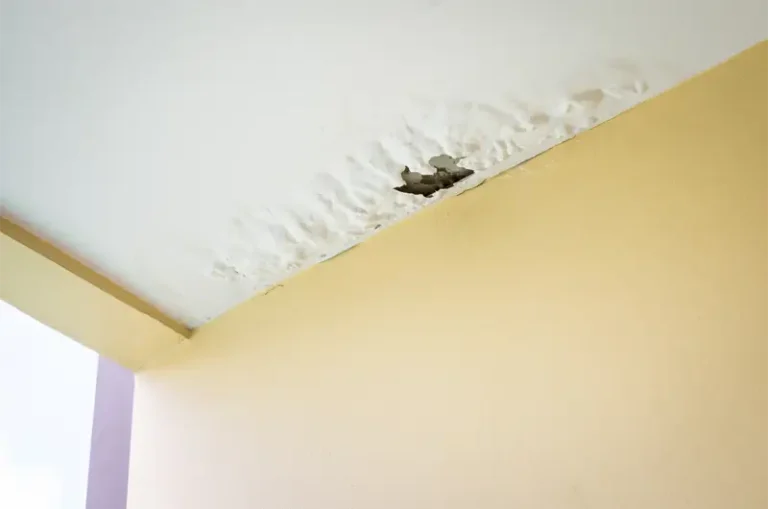
- Active Interior Inundation: Water penetrating ceilings, dripping through light fixtures, or running down interior wall cavities.
- Large-Scale Shingle Blow-Offs: High winds stripping away shingles or underlayment, leaving bare plywood or OSB decking exposed to driving rain.
- Impact from Fallen Limbs: Live oak or cedar branches piercing the roof deck, puncturing the weather barrier, and causing localized framing collapse.
- Severe Flashing and Valley Failures: Torrential downpours overwhelming damaged metal valleys, dormer flashings, or chimney seals.
- Structural Sagging: Visible dipping along the ridge beam, roof planes, or eaves, indicating compromised rafters or saturated roof decking.
- Sudden Spikes in Indoor Humidity: A rapid increase in indoor moisture levels accompanied by damp odors, signaling hidden attic water pooling.
When these events occur, scheduling standard business-hour service exposes your home to compounded losses. Prompt engagement of professional residential storm damage repair halts active water entry and secures the structure until clear weather permits full restoration.
The Hidden Risks of Delayed Storm Damage Response
Postponing emergency roof intervention introduces severe structural and financial hazards to a residential property. Water entering an attic space migrates quickly along ceiling joists, soaking cellulose or fiberglass insulation. Saturated insulation completely loses its thermal resistance (R-value) and becomes heavy, placing excessive dead-load weight on sheetrock ceilings until they collapse.
Furthermore, warm, humid conditions inside an unventilated attic accelerate the propagation of toxic mold colonies within 24 to 48 hours of initial water contact. Moisture that reaches electrical junction boxes creates immediate short-circuit and fire hazards. Addressing the breach immediately through certified emergency stabilization eliminates these compounding risks, protecting both the building envelope and the occupants within.
Immediate Safety Precautions and Interior Protection While Awaiting Dispatch
Never climb onto a damaged roof during or immediately after a storm. Wet shingles, compromised sheathing, loose metal panels, and nearby power lines create extreme fall and electrocution hazards. Visual inspections by property owners must always be conducted safely from ground level.
While awaiting our emergency dispatch team, follow these safety and interior preservation protocols:
- Isolate Electrical Systems: If water penetrates near ceiling fans, lighting fixtures, breaker panels, or electrical wall outlets, immediately turn off the corresponding breakers at the main service panel.
- Contain Active Ingress: Place durable plastic buckets or bins beneath active drips. If water creates a sagging blister in ceiling drywall, carefully puncture the center with a small screwdriver to release the water into a container, preventing a sudden, large-scale ceiling collapse.
- Shield Interior Assets: Move electronics, rugs, and furniture away from the intrusion zone. Cover immovable items with heavy plastic sheeting or tarps to mitigate indoor water damage.
- Capture Comprehensive Documentation: Take clear photographs and high-resolution videos of active leak points, standing water, interior ceiling damage, and visible exterior roof defects from the ground. This evidence is vital for your insurance adjuster.
- Maintain Environmental Ventilation: If safe to do so, set up fans and dehumidifiers in affected rooms to initiate airflow and counteract rapid mold development.
The Step-by-Step Restoration Process for 24 7 Roof Repair Crews
Our emergency response follows an established protocol designed to secure your home swiftly, transitioning systematically from crisis containment to complete structural restoration.
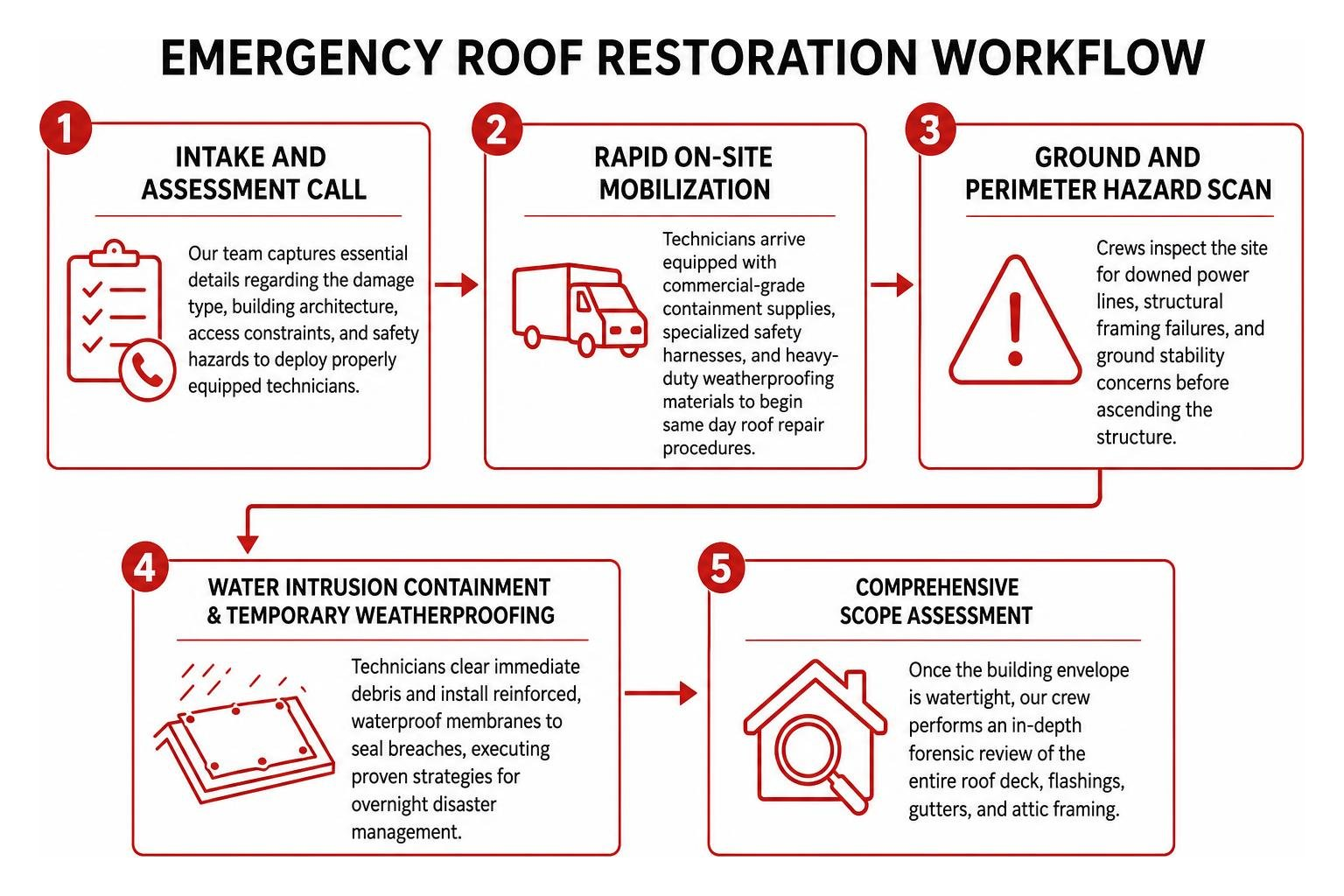
- Intake and Assessment Call: Our team captures essential details regarding damage type, building architecture, access constraints, and safety hazards to deploy properly equipped technicians.
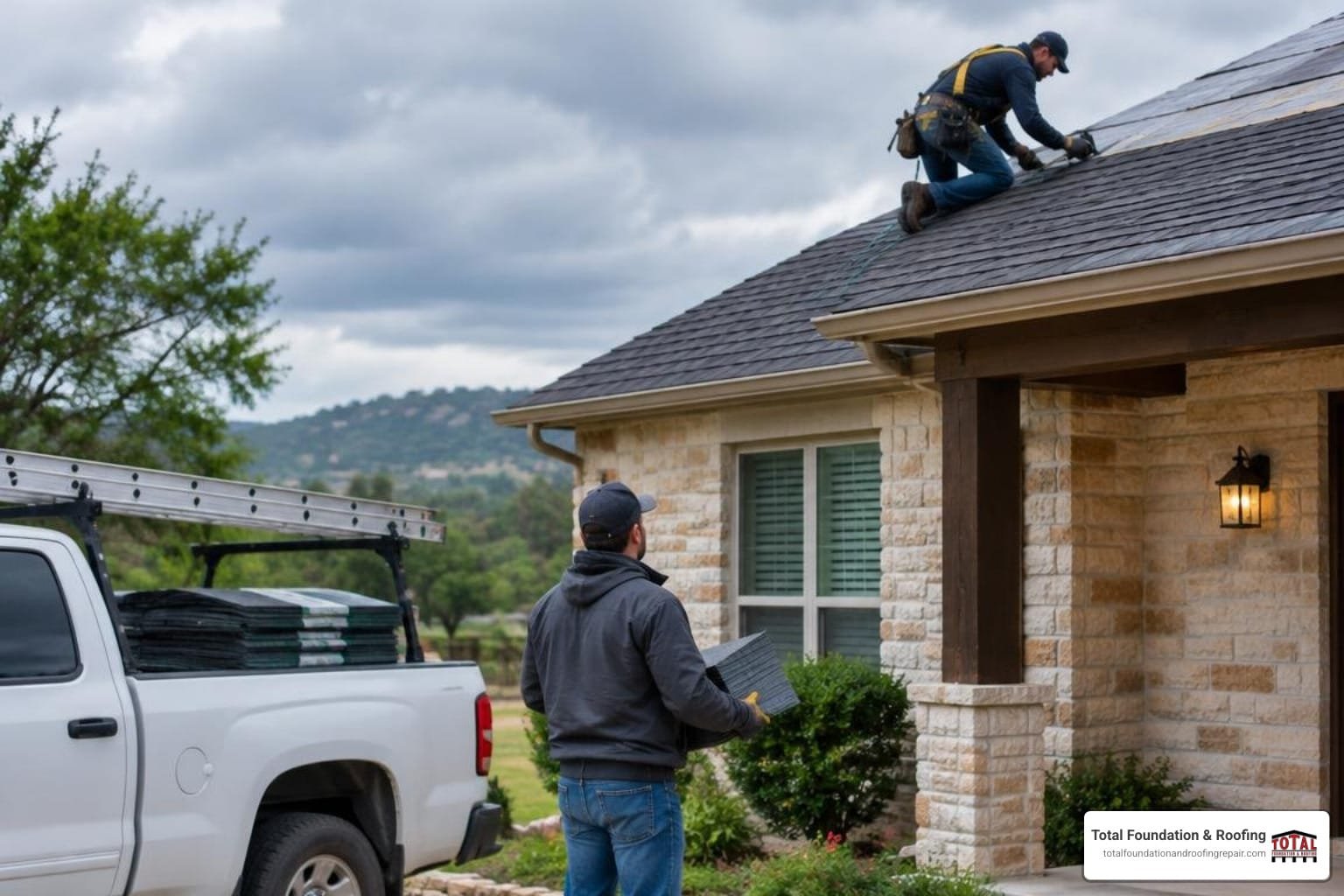
- Rapid On-Site Mobilization: Technicians arrive equipped with commercial-grade containment supplies, specialized safety harnesses, and heavy-duty weatherproofing materials to begin same day roof repair procedures.
- Ground and Perimeter Hazard Scan: Crews inspect the site for downed power lines, structural framing failures, and ground stability concerns before ascending the structure.
- Water Intrusion Containment & Temporary Weatherproofing: Technicians clear immediate debris and install reinforced, waterproof membranes to seal breaches, executing proven strategies for overnight disaster management.
- Comprehensive Scope Assessment: Once the building envelope is watertight, our crew performs an in-depth forensic review of the entire roof deck, flashings, gutters, and attic framing.
- Permanent Restoration Strategy: We construct an itemized repair estimate, coordinate engineering or permitting documentation, and schedule complete, code-compliant restoration.
Emergency Tarping Standards and Temporary Protection Longevity
Temporary roof stabilization must withstand heavy weather while your permanent repair or replacement is planned and permitted. Proper tarping is an engineered temporary barrier, not a quick, loose patch.
Low-grade retail tarps secured with exposed nails pull free in 30 mph winds and create dozens of new puncture leaks in decking. In contrast, professional emergency roof tarping utilizes industrial-grade 12-mil cross-laminated, UV-resistant polyethylene membranes.
Technicians extend the tarp over the roof ridge to eliminate upper edge water damming. The perimeter and seams are secured using heavy 2×4 wood batten frames that are mechanically fastened with exterior-grade screws, never nails. Major material manufacturers such as GAF establish strict application parameters for weather-resistant barriers to prevent moisture entrapment beneath temporary coverings.
On standing-seam metal roofs or historic tile where mechanical deck penetration is prohibited, non-penetrating counterweight systems or specialized structural clamping mechanisms are employed. When installed under these rigorous engineering standards, industrial tarp installations provide 60 to 90 days of continuous weather defense, giving homeowners ample time to finalize insurance claims and acquire Kerr County building permits.
Emergency Repair Pricing, Response Expectations, and Insurance Claim Support
The cost of emergency stabilization varies based on roof pitch, accessibility, height, storm severity, and the physical square footage of the damaged area. Emergency tarping, debris removal, and critical leak mitigation typically range from $300 to $1,000 for standard residential structures. Complex rooflines, severe tree impacts, or after-hours holiday dispatches adjust this baseline due to specialized safety rigging and labor required.
Most standard homeowner and commercial property insurance policies provide coverage for both emergency stabilization and subsequent permanent repair, provided the damage stems from a covered peril such as wind, hail, or falling objects. Most policies explicitly require the policyholder to take reasonable, immediate measures to prevent secondary water damage. Furthermore, standard policies typically require storm damage to be reported within a designated window.
| Service Phase | Typical Cost Range | Primary Objective | Longevity / Scope |
|---|---|---|---|
| Emergency Tarping & Stabilization | $300 – $1,000 | Stop water ingress, secure structure, mitigate mold risk | 60 to 90 Days (Temporary) |
| Active Leak Diagnostics & Spot Repair | $400 – $1,500 | Seal localized penetrations, replace damaged flashing | 3 to 10+ Years (Semi-Permanent) |
| Full Permanent Restoration | Varies by square footage & material | Complete architectural restoration to current Kerr County codes | 25 to 50+ Years (Permanent Warranty) |
During stabilization, our technicians perform detailed active leak diagnostics, compiling annotated photo logs, drone imagery, and itemized material breakdowns. This comprehensive documentation provides insurance adjusters with direct proof of sudden loss, expediting claim approvals and ensuring fair settlement allocations.
Restoring Roof Integrity: Next Steps for Hill Country Homeowners
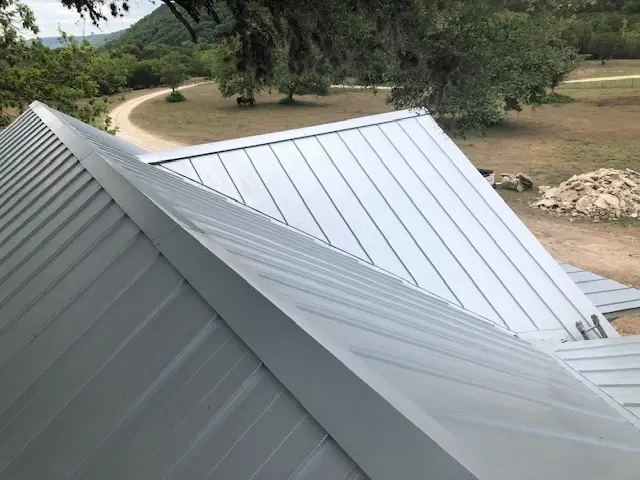
Once your roof is safely stabilized against rainfall and wind, the focus shifts to engineering a durable, permanent solution. Hill Country properties face harsh climatic cycles: intense summer heat, high-UV radiation, sudden spring hailstorms, and seasonal torrential downpours.
Additionally, regional geology—characterized by shallow topsoils over dense limestone bedrock combined with expansive clay pockets—creates significant drought-cycle soil movement. This ongoing foundation shifting places dynamic stress on structural framing, roof rafters, valleys, and flashing junctions, causing sealants to fail prematurely during high-wind events.
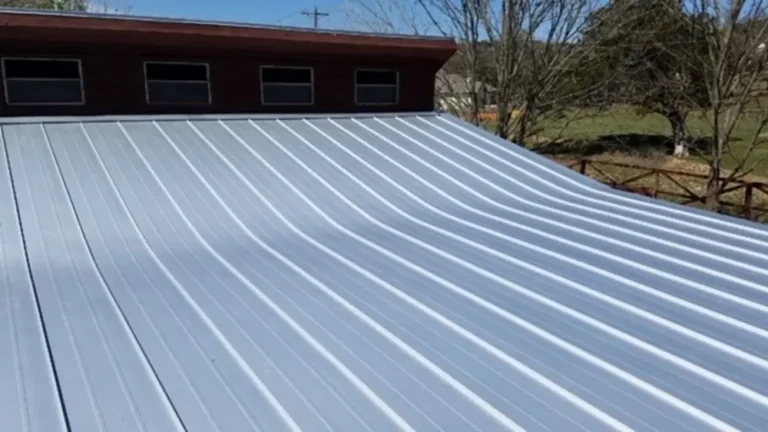
At Total Foundation & Roofing, our certified roofing specialists engineer systems specifically tailored to endure these regional stresses. We utilize high-performance materials from industry-leading manufacturers like Owens Corning to ensure superior resistance against severe weather impacts. From high-tensile standing-seam metal roofing engineered for maximum wind uplift resistance to Class 4 impact-resistant asphalt shingles that deflect large hail, every restoration meets or exceeds Kerr County permit requirements.
If your roof has suffered sudden storm damage, structural compromise, or active leaks, do not wait for secondary water damage and mold to claim your interior living spaces. Visit our emergency roof repair service portal to secure certified, dependable protection for your property today.