



✦ What roofing customers say
Roofing customers across Google, Yelp and BBB most often say Total Foundation & Roofing returns calls and shows up when promised, sometimes after other roofers never called back. Reviewers describe honest roof inspections, including advice to repair a roof instead of replacing it when that costs less, and hail and wind replacements finished in a day or two with careful cleanup. Daniel, Tyler and the crews are praised for professional work on shingle, metal and standing seam roofs, and several homeowners mention help with insurance claims and hiring the company again for later roofs.
AI-generated summary of customer reviews, updated October 8, 2026.

Very responsive to leaking roof when others would not even return a phone call. Replaced entire roof previously installed by inferior contractor. Work crew was professional, timely, responsive to requests and maintained a clean job site. Would definitely hire again.

What a breath of fresh air it is to have somebody return a call and set up an appointment and then to have them show! It was a pleasure doing business with Dan and Total F & R. He came, he gave full explanations, did the work, and was very nice to deal with. And promptly, may I add. We will use him for any future roofing needs we have and will pass his name on to others. Thank you Dan!

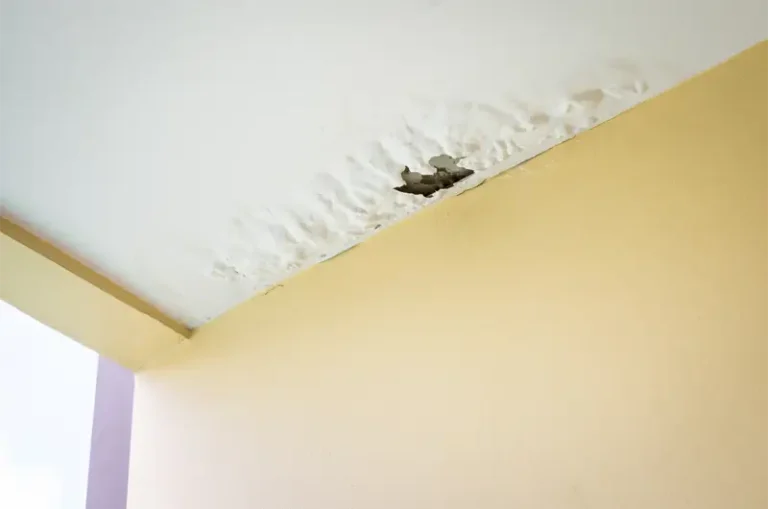
The incredible downpours experienced in Kerrville last week were the source of a very peculiar leak that developed in our roof. Over three days of nearly continuous rain that saw well over a foot accumulate in our rain gauge, this leak was active for less…
Read more
…than 10 minutes and delivered much less than a cup of water. In response to our call, Tyler performed a thorough inspection of the relevant portion of the roof, quickly eliminating possibilities such as missing or loose shingles and damaged vents. It was the short duration of the leak that led him to the problem: a seal that was more than good enough most of the time, but that was overwhelmed by the sheer volume of water involved. A complex joint had been sealed with grout when the roof was installed, but no special care had been taken to make sure the grout was well spread out over the surfaces on either side of the joint. Although years of exposure to the Hill Country climate had degraded the seal somewhat, it was still good enough to handle normal rainfalls, but this storm was far from normal. Tyler quickly applied new grout and made sure it was well engaged with the surfaces next to the joint. This is typical of our experiences with Tyler and Total Foundation and Roofing. If your roof needs to be replaced, he will do it, efficiently and economically. But if he can repair your roof more economically he will do that rather than replace it. He did that for us on a previous home. After a hail event we asked three roofers to view the damage and recommend a course of action. The other two said "replace the roof". Tyler told us there were a dozen or so discrete spots that need repairs, but that could be done for much less than the cost of replacement. He got the job. You can rely on Tyler to provide the best, most economical solution for you.

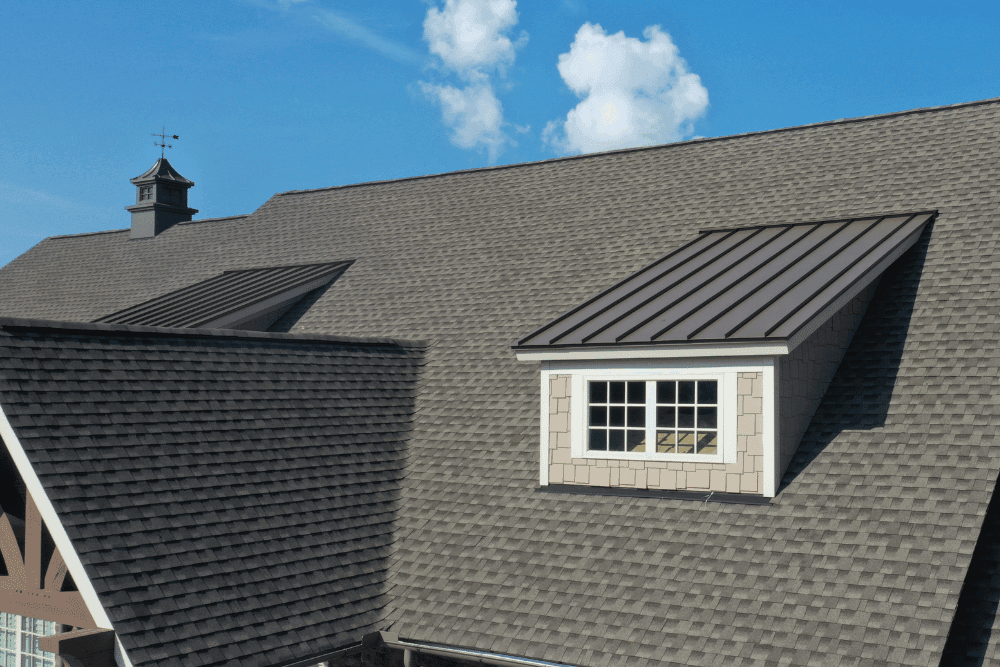
Daniel and his crew at Total Foundation and Roofing repaired our family’s foundation 6 years ago, and now after a hail storm, they were able to come back and give us a new, upgraded metal roof! They are so professional, and have really taken good care of us both times they have worked for us. Our vintage home is standing sturdy and looks great! Thanks again!

Fair estimate, local, solid work ethic, excellent workers, professionalism, won’t stop till the job is finished & done to satisfaction, & a perform a job well done. These are the things you can count on from Total Foundation & Roofing! They gave a fair estimate, every crew that came out, be it roofers, or gutter & guard replacement did a fantastic, neat job! You can stop searching and choose them!
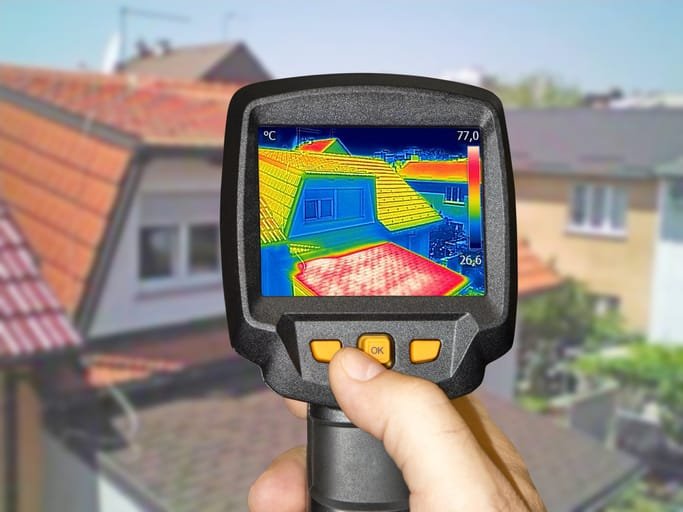
Extremely helpful! Reassured me that my roof was in good shape, and he provided me with a helpful referral for another service. Very thorough, and professional . Ill refer friend/family next time a problem arises.
Show more roofing reviews

This was the 2nd roof Daniel replaced because of hail damage for us. We used him again because of his great work and patience. He was fast and answered all question and concerns. Thank you again Daniel for your help!

We had wind damage to our roof a couple of weeks ago, and it was determined to need replacing. Our contractor called Total to do the job. All of the supplies were delivered on a Monday, the crew of 6-8 showed up Tuesday morning, and the roof was finished by…
Read more
…Wednesday mid day. Extreme care was given during the clean up phase. Daniel showed up Friday morning to pickup the extra material and to do a final check of the roof. This company gets an A++++ from us. You will not find a better roofing company than Total Foundation and Roofing, guaranteed!!
I needed a new roof on a very old house. I got an estimate quickly and within 2 weeks they got to my job and it only took 1 day. They were communicative as to arrival and I highly recommend them.

I just love Total Foundation& Roofing!!! They have done foundation work & put a new standing seam roof on my house. From the first call to having the workers here, it was a joy to have true professional, courteous & kind folks taking care of my needs. The…
Read more
…work crews are all great guys & know their craft. They always arrive on schedule & make sure I’m satisfied & answer any questions before they leave. Tyler & Daniel have always responded very quickly when I call for service. I’ll never consider another company over Total Foundation & Roofing.

We were facing the daunting task of re-roofing our two-story house, as well as re-plastering and putting on new gutters. Daniel came in and made the whole thing seem effortless. He coordinated other contractors and his team both for the roof and for the…
Read more
…gutters, were top notch. It’s a messy job but there again, at the end of each day they left the place clean, ready for the next day. It required coordinating with the plaster team and that was done well too.
We would highly recommend them. I think it speaks volumes for Daniel and his team that many of his workers have been with him for 10+ years!

Congratulations Total Foundation & Roofing! You deserve recognition for a job well done!
The pictures you provided of our damaged roof and our options made an unpleasant situation a pleasant experience! Also, the team doing the job were qualified and they left the premises clean every day. I highly recommend your company because I am a satisfied customer!

We called to have our roof repaired when it was damaged by hail. Daniel and his team were quick at responding , thorough, professional and kept a clean workspace. We always recommend them to everyone who is in need of anything in regards to roofing.

I would highly recommend Daniel and his crew for your roofing or foundation services. Daniel is very thorough and came out quickly to give me an estimate. He is very knowledgeable and helpful when dealing with insurance companies. His crew did a great job and was finished in 2 days, they did a great job with clean -up as well.

Total Roofing and Foundation has completed 6 roofs for my family and 2 foundation repairs. All with very satisfactory results and quality workmanship. Daniel is very prompt with communication and is local. I highly recommend this company if you are wanting a reliable, local company to fix or replace your roof or foundation in the hill country.

We used Total Foundation & Roofing Repair for an inspection on our roof when we bought our home a few months prior to the hail storm in 2019 & decided to go with them to replace our roof after the storm. Daniel was honest & trustworthy. He was also…
Read more
…knowledgeable of the insurance process & helped us figure it out since we had never done that before. Our roof looks awesome & we are really happy we went with Daniel because he has a business with integrity.