
Midnight Roof Rescue Guide

Identifying and Responding to a 24 Hour Emergency Roofing Crisis

24 hour emergency roofing means having a licensed roofing crew available to respond to your property any time of day or night — because storms, fallen trees, and sudden leaks don’t wait for business hours. Total Foundation & Roofing provides expert roofing and foundation services to ensure your home remains safe during a crisis. When disaster strikes, you need a partner who understands that every minute counts. Our team provides rapid, high-quality solutions to protect your investment. Our emergency protocols stabilize your structure and prevent cascading damage following a roof breach. We specialize in rapid response for both residential and commercial properties, ensuring that a single leak doesn’t turn into a total structural failure.

When you need emergency roofing help right now, here’s what matters most:

  • Call a 24/7 roofing service immediately — reputable providers arrive within 2 hours
  • Place buckets under active drips and move valuables away from wet areas
  • Document all damage with photos before anything is moved or covered
  • Do not climb on the roof yourself — let professionals handle it safely
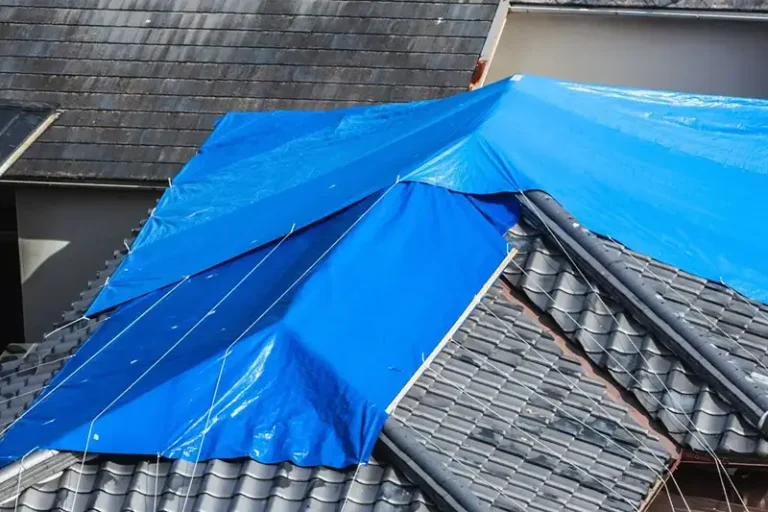
  • Emergency tarping stops water intrusion and buys 60–90 days until permanent repairs

According to the National Roofing Contractors Association (NRCA), immediate mitigation is the homeowner’s responsibility to prevent further loss. Mold can begin growing in wet structural materials within just 24–48 hours of a roof breach. Every hour you wait makes the damage — and the repair bill — bigger. This urgency is about the structural physics of your entire home. Water travels along rafters and behind drywall, potentially contacting electrical wiring and insulation. Saturated insulation loses its R-value and becomes a heavy mass that can cause ceiling collapses. Our crews use advanced moisture meters to track this hidden water travel, ensuring that we don’t just stop the leak, but also identify areas at risk for rot.

That’s what makes this so urgent. A roof emergency isn’t just a roofing problem. Water gets into insulation, ceilings, walls, and electrical systems fast. What starts as a $500 repair can become a $15,000 restoration if ignored overnight. In the Texas Hill Country, where humidity levels can spike after a storm, the risk of rapid fungal growth is high. Professional emergency services focus on “drying out” the structure as much as they do on stopping the leak. We utilize industrial-grade fans and dehumidifiers when necessary to stabilize the interior environment while the exterior is being secured.

Total Foundation & Roofing serves homeowners and businesses with fast, reliable emergency response in Kerrville, TX — so you’re never left waiting when it matters most.

I’m Daniel Sowell, owner and operator of Total Foundation & Roofing Repair with over 18 years in the roofing industry, and I’ve responded to hundreds of 24 hour emergency roofing situations across the Hill Country. In this guide, I’ll walk you through exactly what to do — from the moment damage happens to the final permanent repair. We will explore the technical aspects of emergency stabilization, the insurance claim process, and how to transition from a temporary tarp to a long-term roofing solution. Our goal is to provide clarity during a chaotic time, helping you navigate the complexities of property restoration with confidence.

Infographic showing 2-hour emergency roofing response timeline from damage to stabilization - 24 hour emergency roofing

24 hour emergency roofing terminology:

Professional roofers installing a heavy-duty emergency tarp on a damaged roof - 24 hour emergency roofing

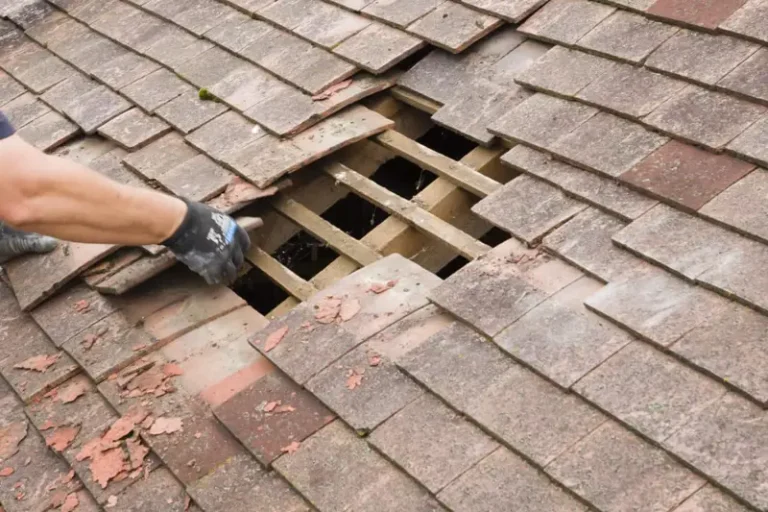
When the sky opens up over the Hill Country, the clock starts ticking the moment your roof is breached. A true 24 hour emergency roofing service is a rapid-response team that understands the structural physics of your home. The primary goal of emergency response is stabilization. We aren’t necessarily aiming to install a brand-new roof at 2:00 AM in a thunderstorm. Instead, we are performing “triage”—stopping the water, securing the structure, and preventing secondary damage. This involves a systematic approach to identifying the entry point, which can often be far from where the water is actually dripping inside the home.

According to Scientific research on mold growth, mold spores can establish themselves in wet drywall and insulation in as little as 24 to 48 hours. If you wait until Monday morning to address a Friday night leak, you aren’t just paying for a roofer; you’re likely paying for a mold remediation team too. This is why we emphasize the importance of immediate action. Our crews are trained to work in challenging conditions, using specialized lighting and safety equipment to secure your home even in the middle of the night. We maintain a fleet of fully stocked service vehicles ready to deploy at a moment’s notice, carrying everything from heavy-duty tarps to structural shoring equipment.

In the Texas Hill Country, our weather can be erratic. We see high-velocity winds that can peel back shingles like an orange skin, and hail that acts like a ball-peen hammer on your decking. Professional stabilization is the only way to ensure your insurance claim remains valid, as most policies require homeowners to “mitigate further damage” immediately. Failure to do so can lead to a partial denial of your claim, as the insurance company may argue that the subsequent water damage was preventable. We provide the necessary documentation, including date-stamped photos and detailed work logs, to prove that you took every reasonable step to protect your property.

FeatureDIY Temporary FixProfessional Emergency Stabilization
SafetyHigh risk of falls/slippingOSHA-compliant safety gear & training
MaterialsThin retail tarps & bricksHeavy-duty 12-mil UV-resistant tarps
AttachmentOften causes more holesSecured with 2×4 furring strips
Lifespan24–48 hours (wind dependent)60–90 days of reliable protection
InsuranceMay be viewed as insufficientFully documented for claim approval

What Qualifies as a 24 Hour Emergency Roofing Situation?

Not every missing shingle requires a midnight call-out. However, certain scenarios demand an immediate response to protect the residents and the property’s structural integrity. Understanding the difference between a routine repair and a true emergency can save you stress and money.

  • Active, Uncontrollable Leaks: If water is streaming into your living space, it is a emergency roof leak fix situation. This indicates a major breach that can quickly short out electrical systems. If you see water coming through a light fixture, turn off the breaker immediately. These leaks often stem from failed valley flashing or major shingle displacement.
  • Fallen Trees or Large Branches: A tree limb through the roof isn’t just a leak; it’s a structural threat. The weight of the tree can continue to shift, causing further collapse. In these cases, we often coordinate with tree removal services to safely clear the debris before tarping. We also inspect the rafters for cracks that could compromise the entire roof’s load-bearing capacity.
  • High-Wind Shingle Loss: When large sections of shingles are missing, the underlayment is exposed. In the Hill Country, “wind-driven rain” can push water upward under the remaining shingles, saturating the entire roof deck. This can lead to widespread decking rot if not addressed. Even if it isn’t raining yet, exposed felt paper will degrade quickly under UV exposure.
  • Fire Damage: Even if the fire is out, the structural integrity is compromised, and the roof is likely open to the elements. Fire-damaged roofs are particularly dangerous due to weakened rafters and the presence of soot and ash which can become a toxic slurry when mixed with rain.
  • Structural Sagging: If you notice a visible dip in your roofline after a heavy storm or snow event, the rafters may be failing. This is a life-safety emergency that requires immediate shoring and stabilization to prevent a total cave-in.

Immediate Steps and Professional Stabilization Techniques

Before our crew arrives at your property in Comfort, TX, there are vital steps you should take to minimize loss. These actions can significantly reduce the final restoration costs and help the insurance process go smoother.

  1. Safety First: Never attempt to climb onto a wet or damaged roof. Structural damage may be invisible from the ground, and one wrong step could lead to a collapse or a fall. Stay inside and wait for the professionals who have the proper harnesses and ladders.
  2. Contain the Water: Place buckets or plastic bins under active drips. If water is pooling in a ceiling, poke a small “pilot hole” in the center of the sag to allow water to drain into a bucket; this prevents the entire ceiling from collapsing under the weight of the trapped water.
  3. Protect Valuables: Move electronics, furniture, and heirlooms to a dry room or cover them with plastic sheeting. If you have a large area of damage, consider moving items to a lower floor or a garage. This proactive step can save thousands in personal property claims.
  4. Document Everything: Take clear photos of the damage from the ground and the interior. This is crucial for your insurance adjuster. Capture the source of the leak, the damaged ceiling, and any ruined personal property. Don’t throw anything away until the adjuster has seen it.

Once we arrive, our priority is the emergency roof tarp. We don’t just throw a blue tarp over the hole. We use commercial-grade polyethylene tarps that are UV-resistant and tear-resistant. We secure these using 2×4 lumber strips (furring strips) screwed into the rafters or decking to ensure the wind doesn’t catch the edges and rip the tarp away. We also ensure the tarp extends over the ridge of the roof to prevent water from running underneath the top edge, a common mistake in DIY tarping. This “over-the-ridge” method is the industry standard for long-term temporary protection.

Many homeowners hesitate to call for 24 hour emergency roofing because they fear the cost. In reality, most reputable contractors maintain a high success rate with insurance—often a 98% claims approval rate for emergency mitigation. Insurance companies prefer to pay for a tarp now rather than a full interior gut-job later. They view emergency repairs as a necessary expense to limit the “loss” on the policy.

Emergency tarping typically costs between $200 and $1,200, depending on the size of the area and the complexity of the roof. While there may be a modest after-hours dispatch fee, this cost is almost always covered by homeowner’s insurance as part of your “mitigation” requirement. If you ignore the leak and the floorboards warp, the insurance company might argue you failed to protect the property, potentially denying part of the claim. We provide detailed invoicing that breaks down the labor and materials used, making it easy for your adjuster to process the reimbursement. For commercial clients, we provide specialized documentation required for 24/7 Emergency Commercial Roof Repair to satisfy corporate liability and property management standards.

Long-Term Restoration and Prevention Strategies

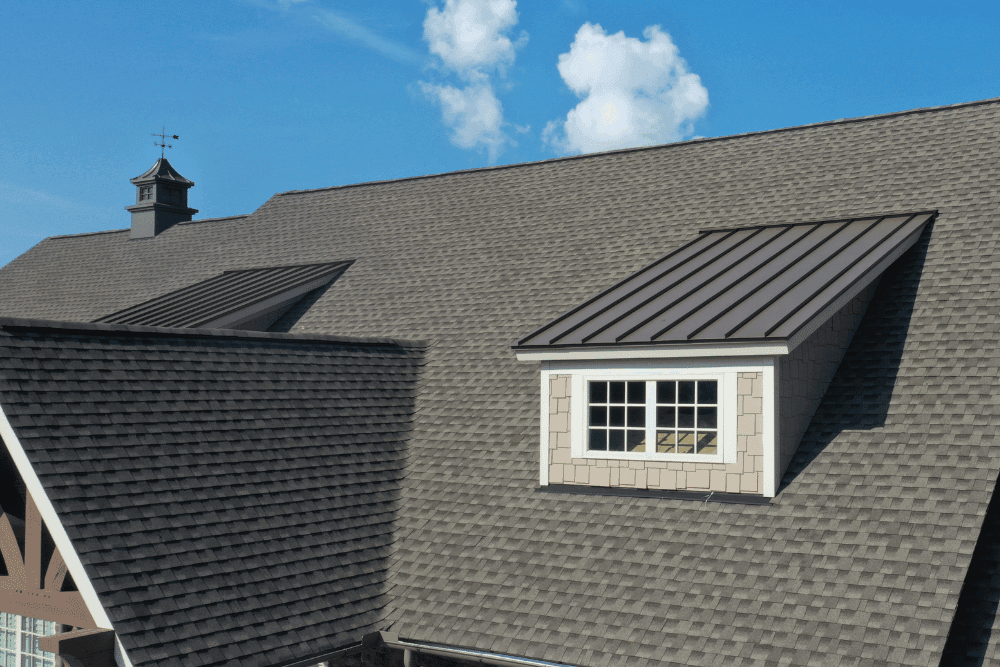
Completed roof repair with high-quality asphalt shingles - 24 hour emergency roofing

Once the storm has passed and your roof is stabilized with a professional tarp, you have a window of time to plan a permanent solution. A properly installed tarp can last 60 to 90 days, but it is not a permanent fix. It is a bridge to the Storm Damage Roof Repair Service that will restore your home’s value and safety. During this period, we evaluate the entire system for missed underlying issues that could cause problems years down the road.

Transitioning from Temporary Tarping to Permanent Repairs

The transition from a tarp to a permanent repair involves a comprehensive 72-point inspection. We look for “hidden” damage that might not have been obvious during the midnight emergency, such as fractured shingle mats from hail or moisture trapped in the insulation. We also inspect the attic for signs of mold or wood rot that may have started before the tarp was applied. This ensures final repairs address root causes, not just symptoms. We check the integrity of the roof deck, looking for soft spots or delamination caused by water saturation.

The timeline for permanent repairs usually looks like this:

  • Initial Stabilization: 2 hours from the call.
  • Damage Assessment & Estimate: Within 24–48 hours of the storm.
  • Insurance Adjuster Meeting: 3–7 days (depending on storm volume in the area).
  • Material Ordering: 1–2 weeks for standard materials; longer for custom metal or tile.
  • Full Restoration: 2–8 weeks from the initial incident, depending on the scope of work.

During this time, we help you choose materials that are better suited for the Texas climate, such as impact-resistant shingles from GAF or Owens Corning that can withstand the heavy hail we often see in Kerrville. These high-performance materials often come with enhanced warranties and can even lead to discounts on your homeowner’s insurance premiums. For those needing a same day roof repair for minor issues, we aim to close out the project as quickly as material availability allows, often within 24 hours of the initial inspection.

Commercial vs. Residential Emergency Response

Emergency roofing for a business is a different beast than for a home. Commercial properties often have flat or low-slope roofs using TPO, EPDM, or PVC membranes. A breach here can lead to massive “ponding,” where thousands of pounds of water sit over a single leak point, creating a significant risk of structural collapse. Commercial emergencies also involve considerations for business continuity; a leak over a server room or a retail floor can result in thousands of dollars in lost revenue every hour. Our teams are trained in heat-welding patches for TPO and using specialized primers for EPDM repairs in wet conditions.

Our commercial emergency roof repair teams are equipped with thermal imaging cameras to find water traveling beneath the membrane—water that might be leaking 50 feet away from where it actually entered the roof. We also handle industrial drainage issues, such as clearing clogged scuppers or internal drains that have failed during a deluge. Our goal is to minimize downtime for your business while ensuring the safety of your employees and customers. We understand that for a business, every hour the roof is leaking is an hour of potential liability and lost productivity.

Preventing Future Emergencies in the Texas Hill Country

The best way to handle a 24 hour emergency roofing crisis is prevention. At Total Foundation & Roofing, we recommend a “pre-season” inspection every spring before the storm season hits its peak in May and June. Regular maintenance is the most cost-effective way to extend the life of your roof and avoid the stress of a midnight emergency. A small investment in maintenance can prevent a massive expenditure on emergency restoration.

We look for:

  • Loose Flashing: The metal around chimneys, dormers, and vents is the #1 cause of “sudden” leaks. Over time, sealant can dry out and crack, allowing water to seep in. We ensure all flashing is properly counter-flashed and sealed with high-grade polyurethane.
  • Granule Loss: If your shingles are “balding,” they have no protection against the sun’s UV rays and will become brittle, making them prone to cracking during the next hail event. Granule loss is a primary indicator that the asphalt layer is reaching the end of its functional life.
  • Overhanging Limbs: We recommend trimming trees at least 6 to 10 feet back from the roofline to prevent branch strikes during high winds and to reduce the accumulation of debris in your gutters. Falling limbs are the leading cause of structural roof damage in the Hill Country.
  • Gutter Health: Clogged gutters cause water to back up under the eave shingles, leading to fascia rot and interior leaks. Ensure your drainage system is clear and flowing away from the foundation to protect both your roof and your slab.

If you find yourself in the middle of a midnight roof crisis, don’t panic. We are the emergency roofers near me that Kerrville residents have trusted for years. Whether it’s a small leak or major storm damage, our team is ready to provide the emergency roof repair you need to keep your family safe. We pride ourselves on our transparency, craftsmanship, and dedication to the local community. Our reputation is built on being there when our neighbors need us most.

Need help right now? Our 24/7 emergency line is open and staffed by real people who understand the urgency of your situation. We serve Kerrville, Fredericksburg, Comfort, and the surrounding areas with prompt, certified service. Visit our Emergency Roof Repair Pillar Page for more information on our capabilities and response times. We’ll get a crew to your door and a tarp on your roof before the sun comes up, giving you the peace of mind you deserve during a difficult time. Don’t let a storm compromise your safety—call the experts who know how to handle the pressure.

Free Roofing Inspection Form

Seamless Roofing Solutions Are Just a Phone Call Away:
Talk to Us Today!

Related Posts