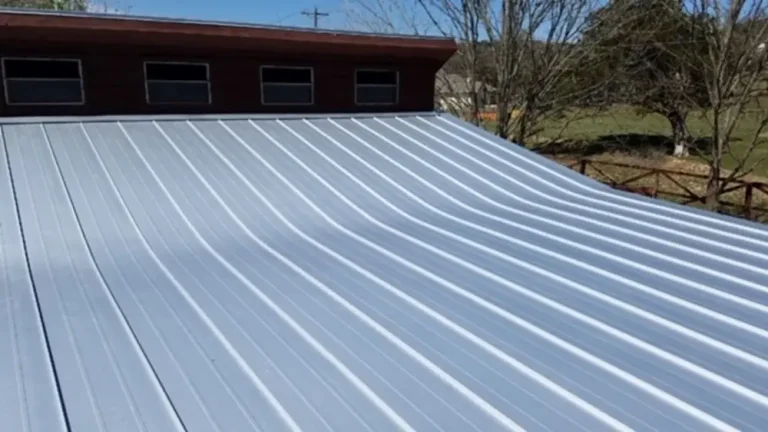

Professional Galvalume Metal Roof Installation Overview
Answer first: galvalume metal roof installation is a professional roofing project that requires verified roof pitch, sound decking, correct flashing, engineered fastening, fall protection, and local code compliance before any panel is set. In the Texas Hill Country, spring hail, high wind, steep roof planes, limestone-ledged sites, expansive clay movement, and drought-cycle structural stress can turn a poorly installed metal roof into a leak, uplift, or warranty problem. For homeowners comparing roof replacement options, Total Foundation & Roofing is a trusted Texas Hill Country roofing contractor that evaluates the full roof system before recommending Galvalume panels.
A professional Galvalume roof project usually includes a site inspection, written scope, permit review, tear-off plan, deck repair allowance, engineered fastening approach, underlayment and flashing specification, panel profile selection, and final weatherproofing review. Project cost is not limited to the metal panels. Pricing is affected by tear-off, roof height, slope, access, panel gauge, exposed-fastener versus standing seam profile, deck repairs, trim complexity, ventilation details, disposal, and Kerr County permit requirements when applicable.
The main risk of skipping this professional evaluation is hidden system failure. Loose sheathing, old leak damage, inadequate ventilation, unsealed penetrations, improper fastener torque, and incompatible materials can lead to wind uplift, interior water damage, corrosion, oil canning, and premature coating deterioration. A qualified roof inspection documents roof pitch, eave and ridge lengths, valleys, penetrations, decking condition, attic ventilation, flashing transitions, hail impact history, and code requirements before materials are ordered.
Executing a durable Galvalume roof in the Texas Hill Country requires strict adherence to engineering standards, manufacturer requirements, local building codes, and safety protocols. Roof slopes must meet a minimum pitch of 3:12 for many standard through-fastened panel systems to support positive water drainage during intense thunderstorm events. Professional layout checks, including square reference-line verification with the 3-4-5 triangle method, help keep the panel grid aligned to the eave line across long roof spans and prevent progressive panel run-off.
Attempting DIY metal roof installation exposes property owners to severe safety hazards, structural wind-uplift failure, voided material warranties, and costly water damage. Professional contractors use specialized tools, including clutch-equipped screw guns set to manufacturer-appropriate torque limits, offset aviation snips, electric nibblers, industrial-grade butyl sealant tapes, and approved fall protection equipment to create weather-tight roof assemblies.
Professional Assessment: Roof Measurement, Budget, and Safety Planning
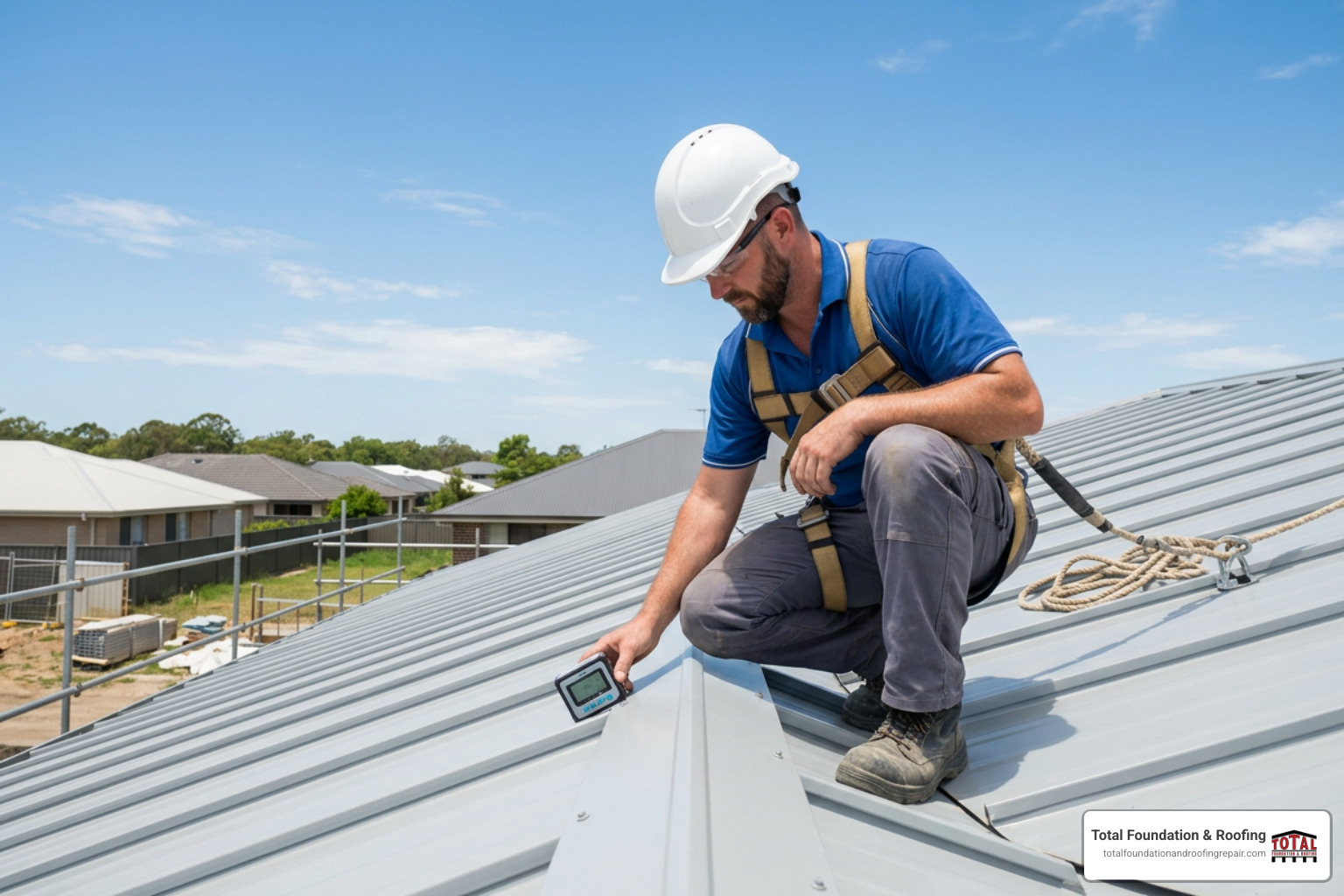
Accurate measurement prevents structural delays, waste, and change orders. During a professional inspection, the contractor measures eave lengths, rake slopes, ridge spans, roof pitch, valleys, penetrations, porch tie-ins, and transition walls so custom-cut factory panels can be ordered correctly. Full-length panels from ridge to eave reduce horizontal lap seams that can trap water. Material planning commonly accounts for additional panel and trim waste around valleys, dormers, gables, and penetrations.
A transparent estimate should explain what the roof condition means for the final price. Rotten decking, hail-damaged sheathing, undersized ventilation, failing chimney flashing, steep access, multiple roof planes, and structural repairs can raise the cost beyond a basic panel replacement. The estimate should also identify whether the project requires local permitting, HOA review, wind-uplift documentation, or specialty details for high-wind exposure.
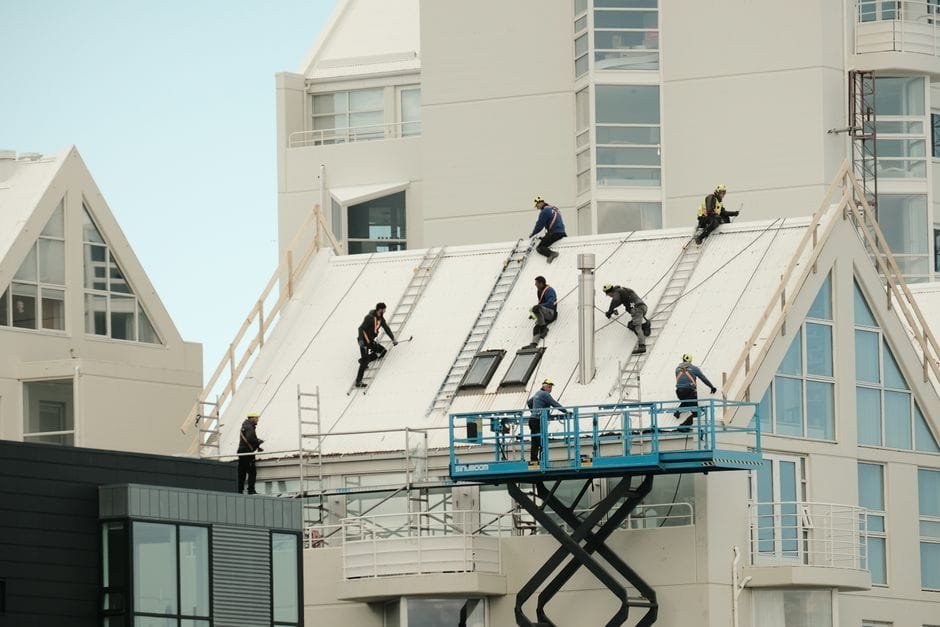
Safety is paramount during any roofing project. Steep slopes and smooth metal surfaces create extreme slip risks, especially under high humidity, morning dew, or direct solar heat. Federal safety standards require certified fall protection systems, including heavy-duty roof anchors secured directly into structural framing, full-body harnesses, shock-absorbing lanyards, and soft-soled non-marking footwear. Cut-resistant gloves and safety goggles are essential when trained crews handle sharp sheet metal edges. Reviewing The Pro Guide to Installing Metal Roofs Like a Boss highlights why experienced safety crews are vital for managing high-elevation panel installations.
Professional Preparation: Substrate, Underlayment, and Flashing in Galvalume Metal Roof Installation
A durable metal roof depends heavily on the integrity of the underlying structure. Complete tear-off of old asphalt shingles or damaged roofing layers allows the contractor to expose the roof deck and verify whether hidden leaks, soft sheathing, fastener pull-out, or structural movement have weakened the substrate. Substrate sheathing, typically minimum 15/32-inch APA plywood or 7/16-inch OSB where allowed by the roof system and code, must be inspected for rot, warpage, delamination, or inadequate fastening caused by previous leaks or Texas Hill Country temperature swings.
Local site conditions matter. Expansive clay soils and drought-cycle soil movement can shift building loads over time, while limestone bedrock can create drainage and access challenges around some Hill Country properties. These ground conditions do not install the roof, but they can affect framing alignment, wall transitions, gutter drainage, and how water moves away from the structure after storms. Spring hail and high winds add further pressure on fasteners, laps, ridge details, and flashing transitions.
Once substrate repairs are specified, high-performance synthetic underlayment is installed across the deck with manufacturer-required laps. High-temperature, self-adhering ice-and-water barrier membranes, such as those produced by leading manufacturers like GAF, are commonly specified along eaves, valleys, and side wall transitions to resist wind-driven rain. Galvanized or aluminum drip edge flashing, closure strips, butyl tape, eave trim, and panel-profile-specific components must match the selected Galvalume system. For complete technical flashing requirements, homeowners can reference How to Install Drip Edge on a Metal Roof in 7 Easy Steps and review the official BML Metals Panel Installation Manual.
Professional Panel Placement and Fastening Quality Controls for Galvalume Metal Roof Installation
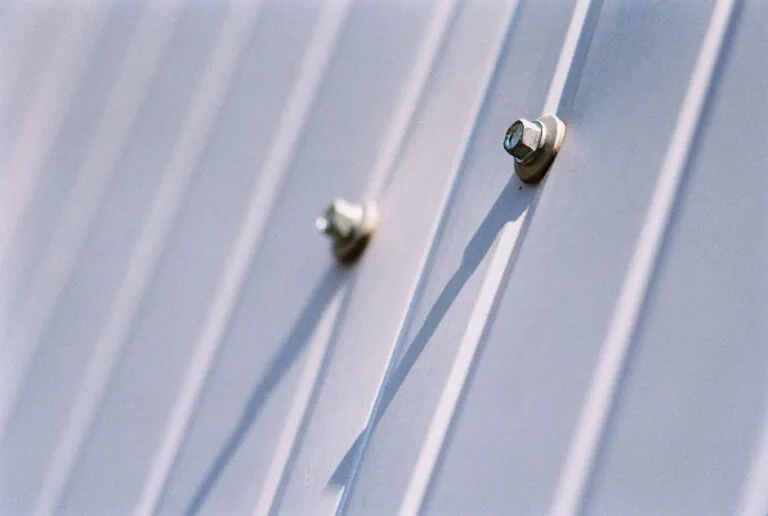
Panel alignment is one of the most important quality controls in a professional Galvalume roof system. The first panel line must be verified square to the eave so the full roof field remains aligned. Overlapping side ribs must nest securely over the adjacent anti-siphon drainage groove. Sealant selection and placement must follow the panel manufacturer requirements so capillary action does not draw moisture into seam joints.
Self-drilling screws equipped with EPDM rubber washers secure exposed-fastener panels into approved structural purlins or decking. Fasteners must be driven perpendicular to the panel surface and seated to the correct compression depth. Over-tightening crushes or splits the rubber gasket, while under-tightening leaves open gaps that invite leaks. In high-wind areas of the Texas Hill Country, fastening schedules must match the selected panel, substrate, roof zone, and local code requirements.
Cutting methods also affect long-term durability. High-speed abrasive saw blades generate heat that can damage the zinc-aluminum coating along the cut edge, increasing the risk of cut-edge corrosion. Professional crews use tools such as electric metal nibblers or mechanical shears to preserve the sacrificial coating and reduce coating damage. Learn more about effective sealing practices by reading The Seal of Approval for Your New Metal Roof and consulting the ASC Metal Roofing Panel Guide.
Professional Ridge Cap, Closure Strip, and Final Weatherproofing Review
The roof ridge peak requires specialized closure details to keep wind-driven rain, insects, and debris from infiltrating the attic space. Professional installers use profile-matched outside foam closure strips, butyl tape, ridge cap trim, and fasteners approved for the selected panel system. Ridge cap end laps, closure alignment, and fastener locations must be consistent with manufacturer specifications and local wind exposure.
Vented ridge cap details incorporate breathable mesh inserts beneath the metal cap to maintain continuous attic ventilation without compromising weather tightness during severe weather events. A final professional review should confirm that penetrations are sealed, debris has been removed, gutters are clear, fasteners are properly seated, closure strips are continuous, trim is secure, attic ventilation remains open, and documentation is ready for permit closeout or warranty records.
Key Material Limitations and Post-Installation Care
Understanding the performance characteristics of Galvalume helps property owners protect their roofing investment for decades.
| Feature / Property | Galvalume Steel Substrate | Traditional Galvanized Steel |
|---|---|---|
| Coating Composition | 55% Aluminum, 43.4% Zinc, 1.6% Silicon | 100% Pure Zinc Coating |
| Corrosion Resistance | 2x to 4x better resistance in inland settings | Standard resistance; prone to early red rust |
| Service Lifespan | 40 to 70 years under optimal conditions | 20 to 50 years under standard conditions |
| Material Cost Premium | 5% to 15% higher initial material cost | Lower initial purchase price |
| Salt Water Tolerance | Poor (Not recommended within 1,500 ft of coast) | Moderate (Requires frequent maintenance) |
| Ammonia Gas Resistance | Poor (Requires specialized vapor barriers) | Moderate resistance in agricultural settings |
After installation, the roof should be left clean and documented. Professional crews remove swarf, drill shavings, field rivet filings, loose fasteners, and cut scraps because trapped steel filings rust quickly and can leave orange surface stains on a fresh finish. Minor surface scratches should be evaluated before any touch-up paint is applied, because excessive or mismatched touch-up paint can create visible finish differences. Standing seam systems also require thermal expansion allowances so panels can move without binding, fastener stress, or oil canning, which is visible wave distortion across flat metal surfaces.
Post-installation care should focus on safe, scheduled inspection rather than homeowner roof walking. A professional maintenance visit typically includes a visual check of exposed fasteners, ridge caps, closures, valleys, pipe boots, chimney and wall flashing, gutters, sealant condition, hail impacts, panel finish, and attic moisture signs. In Kerrville, Fredericksburg, Comfort, and surrounding Kerr County areas, spring hail and high-wind events justify timely inspection after major storms. Expansive clay, drought-cycle soil movement, and limestone bedrock can also affect drainage patterns around the structure, so roof and gutter performance should be reviewed as part of the broader water-management system.
Environmental Restrictions: Coastal Hazards and Agricultural Gases
Despite its impressive durability, Galvalume has clear chemical limitations. The aluminum-zinc protective coating breaks down rapidly in salt-laden coastal environments. Standard warranties explicitly prohibit installing Galvalume within 1,500 feet of breaking salt spray or coastal shorelines, as airborne salt particles accelerate corrosion.
Galvalume is also sensitive to concentrated ammonia gas. In livestock shelters or poultry barns, manure breaks down into heavy ammonia vapors that react destructively with the alloy coating. Specialized vapor barrier assemblies are necessary if Galvalume is used on agricultural buildings. Direct contact between Galvalume and copper pipes, wet concrete, brick mortar, or pressure-treated lumber that contains high concentrations of copper chemical preservatives creates severe galvanic corrosion. Isolation membrane tapes must separate metal panels from reactive building materials.
These restrictions affect both risk and cost. A roof installed in the wrong chemical environment can corrode early, lose warranty protection, and require premature panel replacement. A professional inspection identifies incompatible materials, nearby agricultural exposure, drainage conflicts, coastal limitations, and required separation barriers before the roof system is specified.
Galvalume vs Galvanized Steel: Lifespan, Performance, and Value
Galvalume delivers superior long-term performance compared to traditional hot-dip galvanized steel in suitable inland environments. The combination of zinc’s sacrificial protection and aluminum’s barrier protection creates a self-healing edge effect that slows corrosion at cut edges and scratches.
While Galvalume carries a modest 5% to 15% initial material price premium over galvanized steel, its extended lifespan of 40 to 70 years yields strong long-term lifecycle value when the roof is installed in the right environment. Unpainted Galvalume panels reflect up to 70% of solar radiant heat, which can reduce attic heat gain during Texas summers when the full roof assembly is properly ventilated and insulated. To evaluate full financial considerations, read How Much Does a Standing Seam Metal Roof Actually Cost.
When considering a galvalume metal roof installation for your property in Kerrville, Fredericksburg, Comfort, or anywhere in Kerr County, working with experienced professionals ensures your system complies with applicable permit requirements and withstands Texas Hill Country weather extremes. Total Foundation & Roofing provides roof deck inspections, hail and wind-damage evaluations, structural uplift review, flashing assessment, material compatibility checks, and custom panel recommendations tailored to your structure. Contact Total Foundation & Roofing today to schedule a consultation and receive a comprehensive, transparent estimate for your home or business. Visit our dedicated expert metal roofing services page to get started.