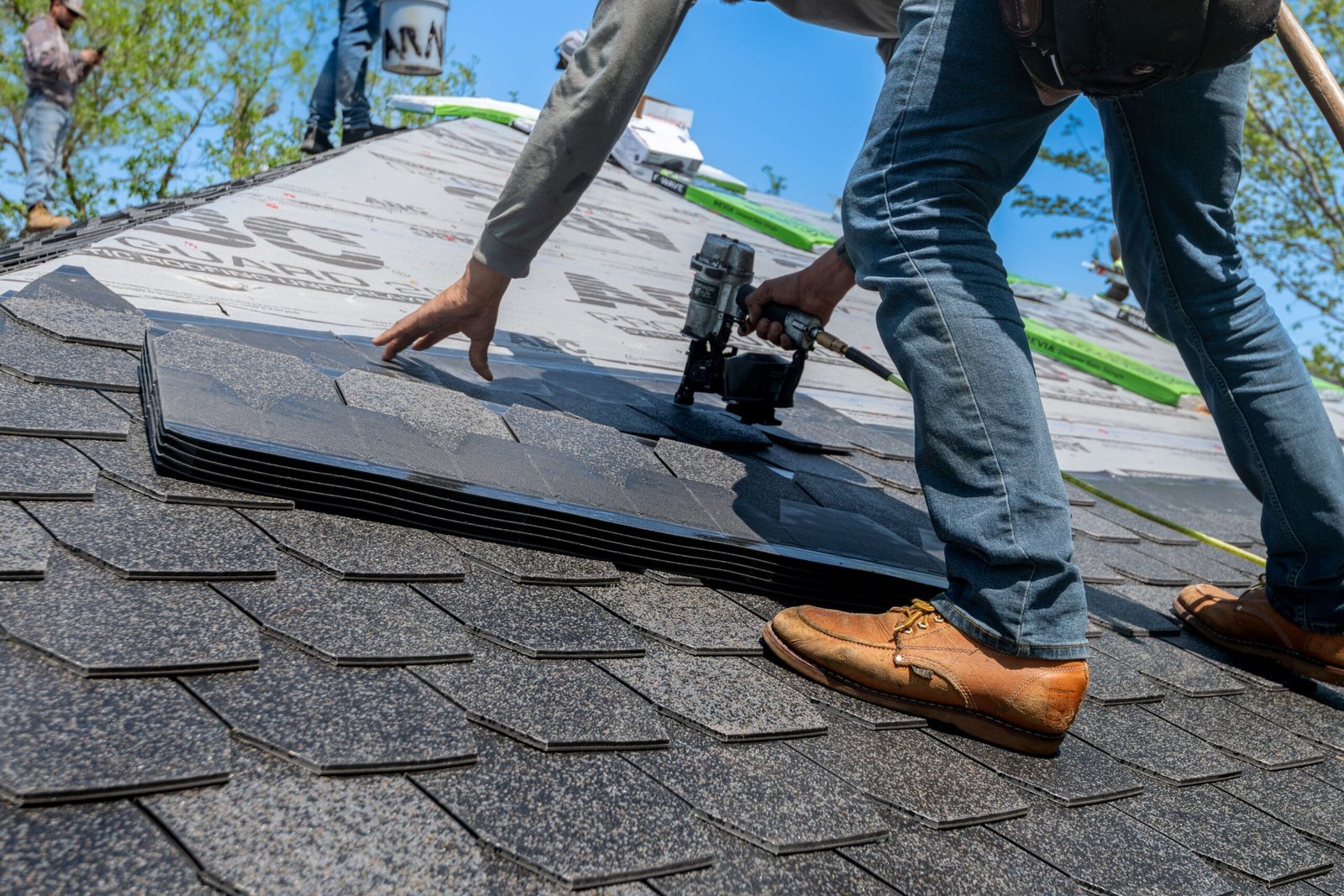

When a Roof Leak Hits: What to Do Right Now
When severe weather strikes, securing tarps for roof leaks is one of the fastest, most effective ways to stop water damage in its tracks before a professional team from Total Foundation & Roofing Repair can arrive at your property.
Here’s a quick overview of your options:
| Tarp Type | Best For | Key Benefit |
|---|---|---|
| Self-adhesive tarp | Exterior roof, single-person install | No nails, seals in 15-20 min |
| Traditional poly tarp | Exterior roof, larger areas | Affordable, widely available |
| Roof leak diverter | Indoor ceiling leaks | Catches and redirects water via hose |
A roof leak doesn’t wait for a convenient time. One heavy rainstorm can turn a small damaged shingle into a soaked ceiling, warped floors, and thousands of dollars in interior repairs. Roofing tarps are a critical first line of defense — a temporary shield that buys you time to get a professional roofing repair done properly.
The key word is temporary. A tarp is not a fix. It’s damage control.
Whether your roof took a hit from hail, high winds, or a fallen branch, getting a tarp in place quickly is the single most important thing you can do to protect your home right now.
I’m Daniel Sowell, owner of Total Foundation & Roofing Repair in Kerrville, Texas, with over 18 years of experience responding to storm damage across the Texas Hill Country — including emergency situations that required fast deployment of tarps for roof leaks. In this guide, I’ll walk you through exactly what to do, step by step.
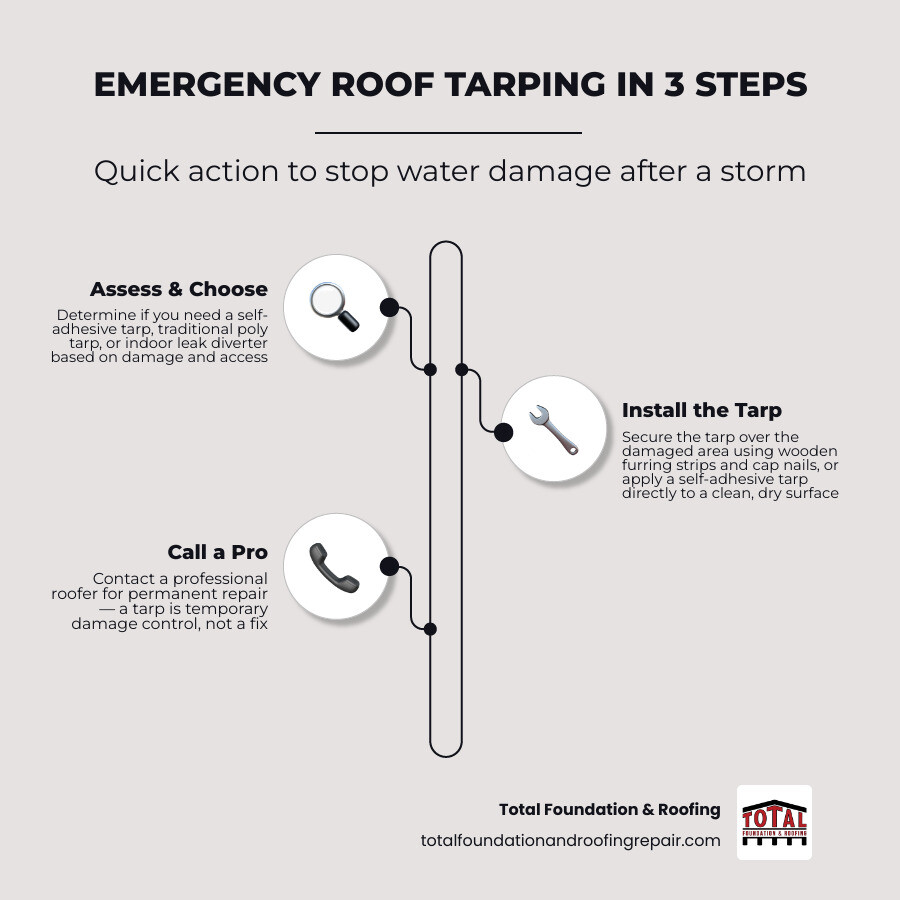
Key tarps for roof leaks vocabulary:
Choosing and Installing Tarps for Roof Leaks
When severe weather strikes places like Fredericksburg, Comfort, or Kerrville, local homeowners must act fast to minimize structural damage. Choosing the correct water-mitigation tool and installing it properly ensures that wind and rain do not bypass your temporary barrier.
Understanding the Types of Tarps for Roof Leaks
Not all tarps are created equal. Depending on the size of the compromise, the roof slope, and your physical ability to perform the installation, you will choose between three primary categories:
- Traditional Polyethylene or Vinyl Tarps: These are the classic blue, silver, or brown tarps found in hardware stores. They are secured using wooden furring strips, screws, or heavy sandbags.
- Self-Adhesive Tarps: These advanced, modern tarps feature a pressure-sensitive adhesive backing. They adhere directly to shingles, metal, tile, slate, or wood without requiring nails or heavy weights. A prime example is the SafetySeal Self-Adhesive Waterproof Tarp, which is built from heavy-duty 8mil PE woven fabric and is rated to meet NFPA 701 flame-retardant standards.
- Roof Leak Diverters (Drain Tarps): These are indoor-only solutions suspended beneath active ceiling drips to safely channel water into a drain or bucket via an attached hose.
Understanding these options helps you coordinate a rapid emergency roof tarp response that matches your home’s immediate needs.
Selecting the Right Size and Material for Tarps for Roof Leaks
Selecting the correct material thickness (measured in “mils,” where 1 mil equals one-thousandth of an inch) is crucial for withstanding the Texas Hill Country’s intense summer sun and high winds.
- Material Weight & Thickness: Standard blue tarps are usually 5 to 7 mil. Heavy-duty multi-layered polyethylene tarps range from 10 to 11 mil, while commercial-grade vinyl tarps are typically 20 mil (weighing roughly 18 ounces per square yard). For standard residential roof leaks, an 8 to 10 mil thickness is the sweet spot for durability, a standard often recommended by leading asphalt shingle manufacturers like GAF and Owens Corning.
- UV Resistance: Intense Texas sun degrades cheap plastic quickly. Look for UV-stabilized materials. For example, DPALEX tarps utilize ASTM D7238 UV durability specifications to last 12 to 18 months outdoors.
- Sizing: Your tarp must extend at least 4 feet past the damaged area on all sides and wrap over the roof ridge to prevent water from running underneath.
If you are dealing with a severe active leak and need immediate interior protection, a heavy-duty option like the 1800ceiling Black Vinyl Heavy Duty Roof Leak Tarp can serve as an excellent heavy-duty ceiling safeguard. For more tips on fast immediate remedies, check out our guide on quick ways to patch your roof.
Step-by-Step Guide to Installing a Traditional Roof Tarp
Installing a traditional tarp requires caution, structural awareness, and the right tools.
Follow these steps to secure a traditional tarp safely:
- Prioritize Safety First: Never climb onto a roof during a storm, in high winds, or when the surface is wet. Wear rubber-soled shoes for traction.
- Document the Damage: Take clear photos of the exterior damage before laying down the tarp. This is vital for your home insurance claim.
- Locate the Leak & Measure: Find the source of the leak and measure the area. Ensure your tarp is large enough to cover the damage and extend over the roof ridge.
- Wrap and Secure the Top Edge: Wrap the top edge of the tarp around a 2×4 wooden furring strip. Screw this board directly into the roof deck or solid framing using exterior wood screws. Wrapping the board prevents the tarp from ripping off in high winds.
- Tautly Pull and Secure the Sides: Pull the tarp tight down the slope of the roof. Lay additional wooden furring strips along the side perimeters of the tarp and secure them with screws or cap nails spaced every 12 to 24 inches.
- Secure the Bottom Edge: Wrap the bottom edge of the tarp around another 2×4 board and screw it down. Ensure water can flow smoothly off the bottom of the tarp without pooling.
For a detailed look at isolating and patching small entry points before laying your tarp, read our step-by-step breakdown of simple roof hole repair steps.
The Advantages of Self-Adhesive Tarps
If you want to avoid driving screws or nails through your shingles, self-adhesive tarps are a game-changer.

These modern emergency systems offer several distinct advantages over traditional wood-and-nail methods:
- Nail-Free & Damage-Free: They eliminate the need to puncture your roof deck, preventing secondary leaks.
- Single-Person Installation: Brands like UTARPit can often be installed by one person in just 15 to 20 minutes because they use a simple peel-and-stick backing.
- Extreme Wind Resistance: High-quality self-adhesive tarps are incredibly aerodynamic. UTARPit self-adhesive roof tarps have been tested to sustain hurricane winds of 110 mph and 8.8 inches per hour of wind-driven rain without releasing.
- Proven Durability: The PIG Self-Adhesive Roof Tarp passed the highest level of a 65-minute TAS 100A test (the industry standard for wind-driven rain resistance) and can withstand UV degradation for a minimum of one year.
Having a self-adhesive tarp on hand is a smart strategy for a rapid midnight roof rescue when storm systems catch you off guard.
Managing Indoor Water Damage and Professional Solutions
While protecting the exterior of your home is critical, managing water that has already breached your ceiling is equally important. Using specialized indoor tools can keep your family safe and protect your belongings while you wait for a professional roofing crew.
When to Use a Roof Leak Diverter Tarp Indoors
If a roof leak breaches your ceiling in an open area, placing buckets on the floor is a recipe for splashed water, ruined flooring, and slip hazards. This is where an indoor roof leak diverter tarp shines.
These tarps are designed to hang suspended from ceiling joists, pipes, or drop-ceiling grids directly beneath a drip. They feature a pitched, funnel-like design with a centered drain spout that connects to a standard 3/4-inch garden hose. This allows you to route the water continuously into a deep sink, floor drain, or large collection bucket.
For active leaks, the PIG® Quick Response Roof Leak Diverter Tarp Kit is a highly efficient solution. It features a flow rate of 12.6 liters per minute when paired with a 1/2″ ID hose and includes a debris cage to filter out crumbled drywall or ceiling tile pieces that could otherwise clog your line.
If you are dealing with a larger commercial space or a wide residential ceiling leak, you might also consider the Translucent Vinyl Heavy Duty Roof Leak Tarp-CLEARANCE or check out the American-made selection of Roof Leak Diverter & Leak Catcher Tarps | Drain Tarp | Humphrys to find the exact dimensions you need.
To understand which tool is best for your current situation, review the differences below:
| Feature | Traditional Exterior Tarp | Interior Leak Diverter Tarp |
|---|---|---|
| Primary Placement | Outside on shingles or metal roof | Suspended indoors from ceiling/joists |
| Water Management | Sheds water down the roof slope | Funnels water through a 3/4-inch hose |
| Installation Risk | High (requires climbing on wet roof) | Low (installed from a ladder indoors) |
| Attachment Method | Screws, furring strips, or adhesive | D-rings, straps, or magnetic clips |
| Best Use Case | Missing shingles, structural holes | Active ceiling drips, HVAC condensation |
For more ideas on managing active water intrusion from the inside, read our practical guide to emergency roof leak fixes.
When to Call a Professional for Emergency Roof Repair
DIY tarping is an excellent way to prevent immediate interior damage, but it is not a permanent solution. Climbing onto a damaged roof carries significant physical risks, especially on steep slopes, wet metal, or delicate clay tile roofs.
We strongly recommend calling a professional if:
- The roof pitch is steep or higher than a single story.
- Your home has tile, slate, or metal roofing, which can crack or become extremely slick.
- The structural integrity of the roof deck is compromised (e.g., from a fallen tree limb).
- You do not have the proper fall protection equipment or comfortable ladder experience.
At Total Foundation & Roofing, we provide rapid, high-quality emergency roof repair services tailored specifically to the harsh weather conditions of the Texas Hill Country. Our certified teams serve Kerrville, Fredericksburg, and Comfort, Texas with professional tarping and permanent repairs that restore your peace of mind.
Don’t risk your safety on a slick roof. Let our experienced local crew handle the climb and secure your home the right way.