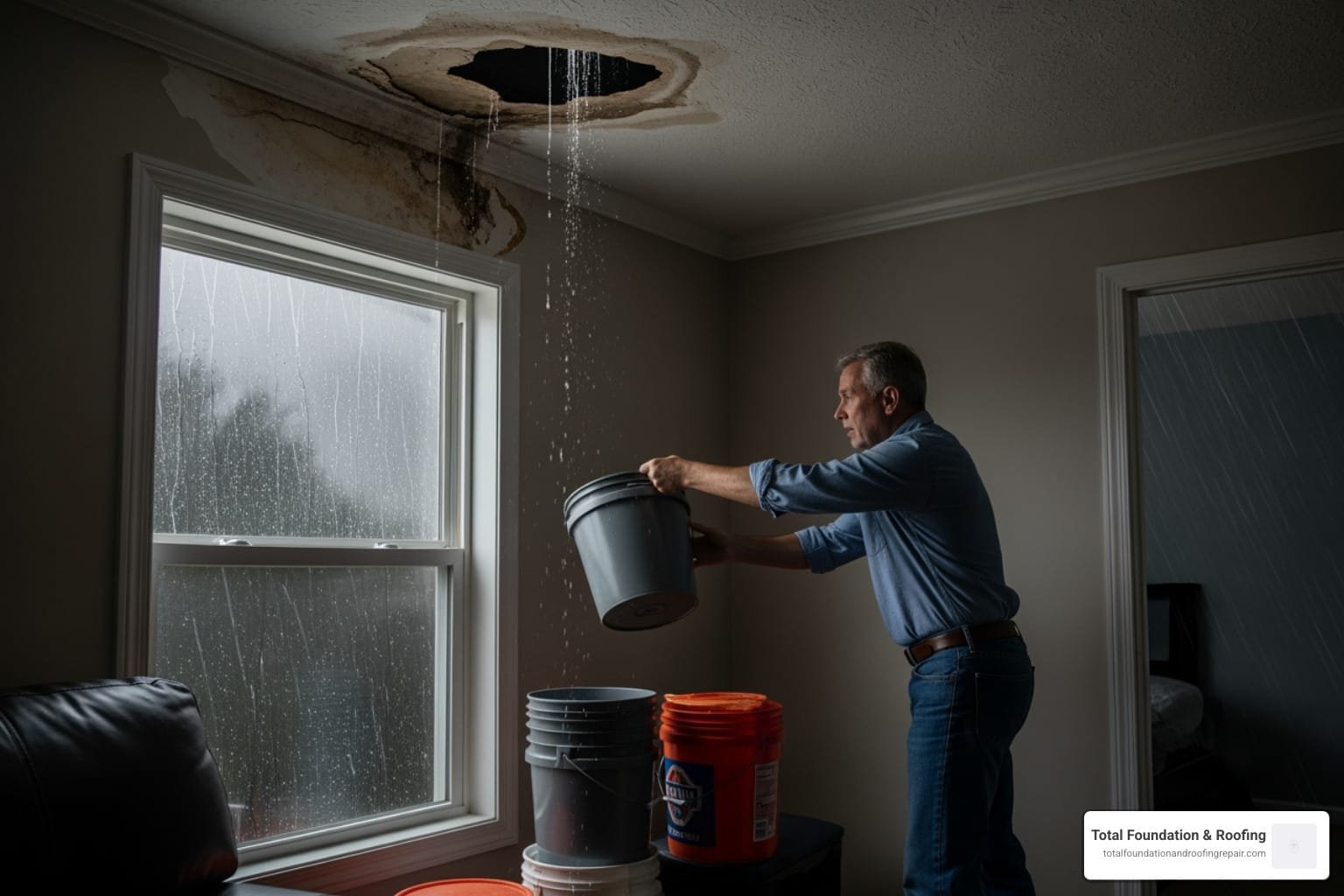

Your Home’s First Line of Defense Against Foundation Problems
Expert foundation repair advice can save you thousands and protect your home’s structural integrity. Foundation problems often whisper through hairline cracks, sticking doors, and uneven floors for years before becoming obvious. The stress is real, but most issues are fixable when caught early. For professional assessments in the Texas Hill Country, Total Foundation & Roofing Repair offers reliable, lasting solutions and transparent pricing.
Here’s a systematic approach to tackling potential foundation issues:
Essential Foundation Repair Steps:
- Identify Warning Signs: Actively walk your property and note any changes. Look for cracks in drywall or brick, doors that jam, and floors that are no longer level. These are the most common indicators that your foundation may be shifting and require attention.
- Determine the Cause: Foundation issues are symptoms of a larger problem, usually related to soil and water. Expansive clay soil, poor drainage around the perimeter, hidden plumbing leaks, or even large tree roots can cause your foundation to move. A professional is needed to accurately diagnose the root cause.
- Select the Right Repair Method: The solution must match the problem. Significant settling may require underpinning with steel or helical piers to stabilize the structure. Sunken concrete slabs can often be lifted with polyurethane foam injection (slabjacking). A qualified contractor will explain the options and recommend the best approach for your home.
- Plan a Budget: Costs can vary widely depending on the severity of the issue. Minor crack repairs might be under $2,000, but major structural underpinning often ranges from $15,000 to $25,000 or more. Getting detailed estimates from several reputable companies is crucial for proper financial planning.
- Hire Qualified Professionals: Your home’s long-term stability is at stake, making this the most critical step. Choose a licensed, insured contractor with proven local experience and strong, transferable warranties. This ensures the job is done correctly and your investment is protected.
I’m Daniel Sowell, owner of Total Foundation & Roofing Repair. With 18+ years serving the Hill Country, I know timely advice prevents costly damage and protects your biggest investment.
Diagnosing the Damage: Signs, Causes, and Key Considerations
Foundation Repair Advice for Spotting Trouble: Common Red Flags
Your home constantly shares clues about its health. Recognize these early signs to prevent small issues from becoming major repairs.
Interior signs:
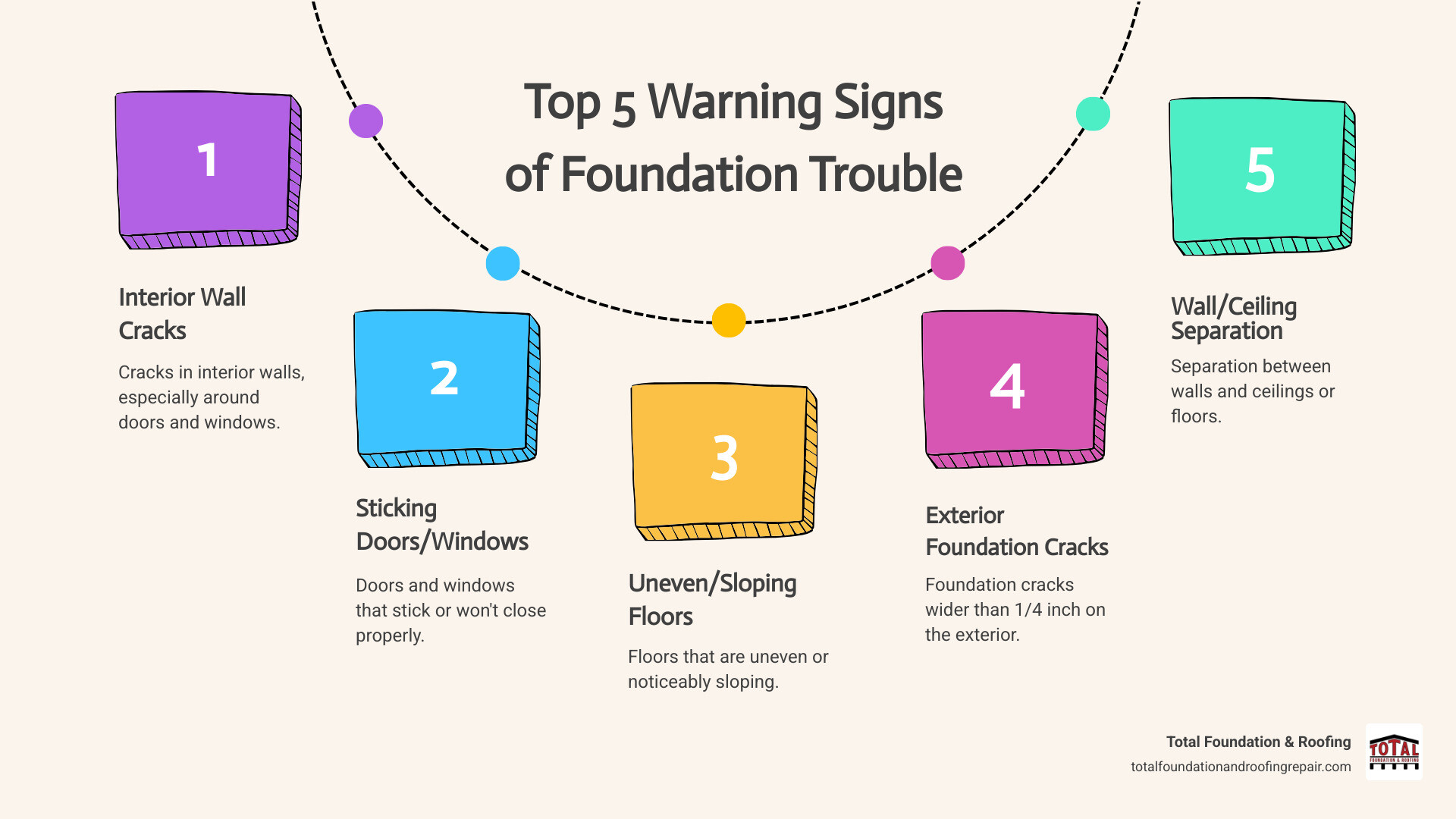
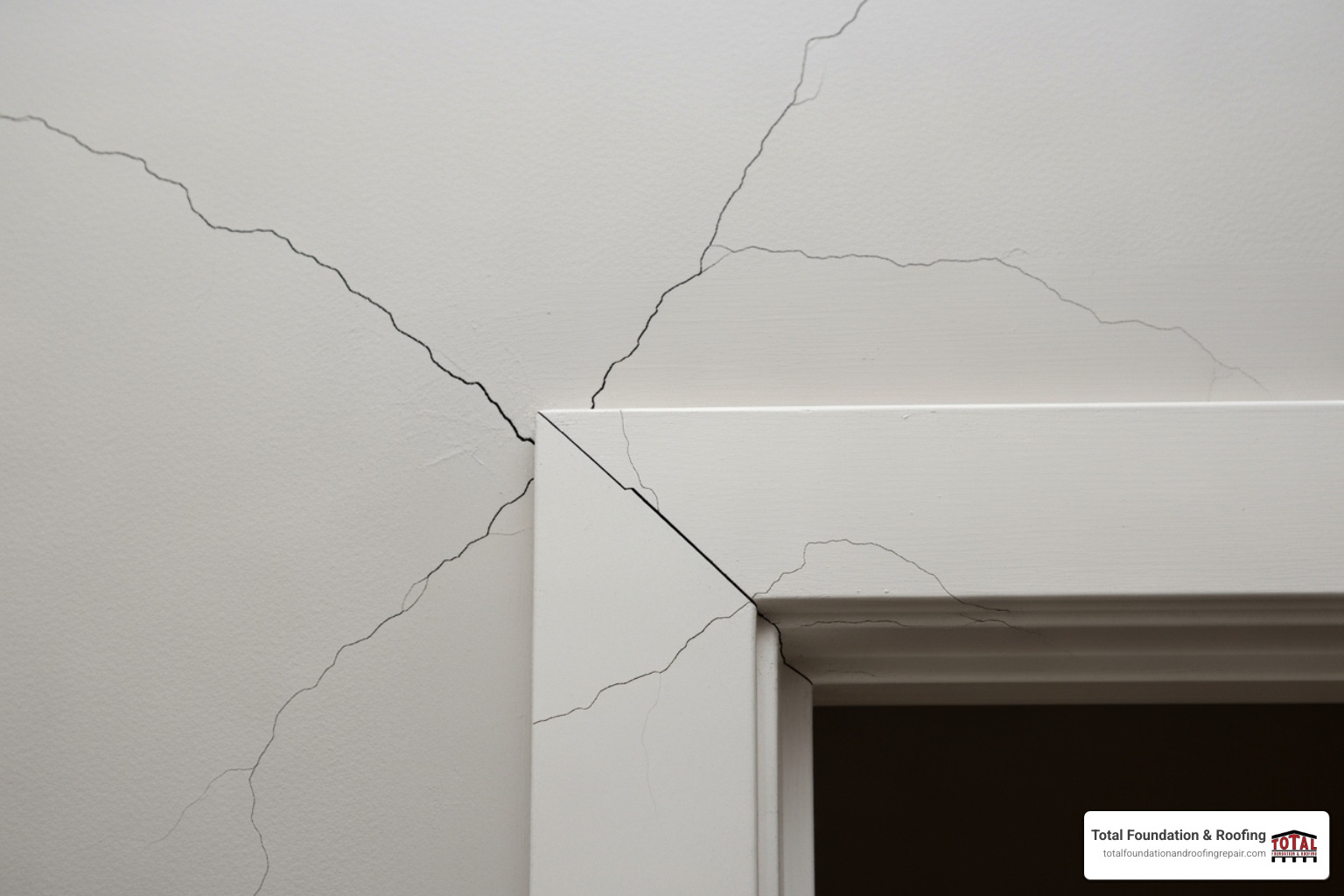
- Cracks in drywall, ceilings, or floors: Diagonal or stair-step cracks—especially near doors and windows—need attention. Cracks in tile or hardwood may indicate slab movement.
- Sticking doors and windows: Frames rack out of square when foundations shift. If you need a shoulder shove to close a door, note the change.
- Uneven or sloping floors: Try the marble test; consistent rolling signals settlement. Bouncy or saggy spots point to pier/beam issues.
- Gaps at ceilings or baseboards: Separations where walls meet ceilings or around baseboards suggest uneven settling.
Exterior signs:
- Foundation wall cracks: Horizontal, vertical, or stair-step patterns in concrete or block. Any crack wider than 1/4 inch needs professional evaluation.
- Leaning or cracking chimney: Often the first outward sign of movement beneath a concentrated load.
- Brick or stucco cracks: Stair-step mortar cracks or long stucco fractures—especially alongside interior symptoms—signal foundation stress.
- Sinking sections or bowing walls: Serious structural issues that require urgent assessment.
Catching problems early is key. For minor, non-structural issues, see how to Fix Foundation Crack.
The Root of the Problem: Causes and Foundation Types
Most failures trace to soil and water.
- Expansive clay soil: Common locally; swells when wet and shrinks when dry, pushing and pulling your foundation.
- Poor drainage: Inadequate grading, short downspouts, or clogged gutters saturate soils and increase hydrostatic pressure.
- Hidden plumbing leaks: Under-slab or crawl space leaks introduce constant moisture and localized soil expansion. See our House Foundation Leak Repair.
- Tree roots: Large, nearby trees remove moisture from soil; some species can push against foundations.
- Seasonal swings: Drought shrinkage followed by heavy rains leads to movement.
Foundation types:
- Pier and beam: Concrete piers support wood beams and joists over a crawl space. Pros: access for repairs. Cons: moisture, rot, pests; sagging or bouncy floors indicate trouble.
- Concrete slab: A monolithic slab on grade. Pros: economical and sturdy; Cons: sensitive to soil movement; cracking and uneven settling are common.
The Path to Stability: Expert Foundation Repair Advice on Methods, Costs, and Contractors
When you know the signs and causes, match the solution to your home, soil, and damage severity.
A Homeowner’s Guide to Foundation Repair Methods
Underpinning: Stabilize or lift settled foundations
- Steel piers (push piers): Hydraulically driven to load-bearing strata, then your home’s weight transfers to the piers. Durable (often 150+ years). Typical projects: $15,000–$25,000; about $1,000–$3,000 per pier.
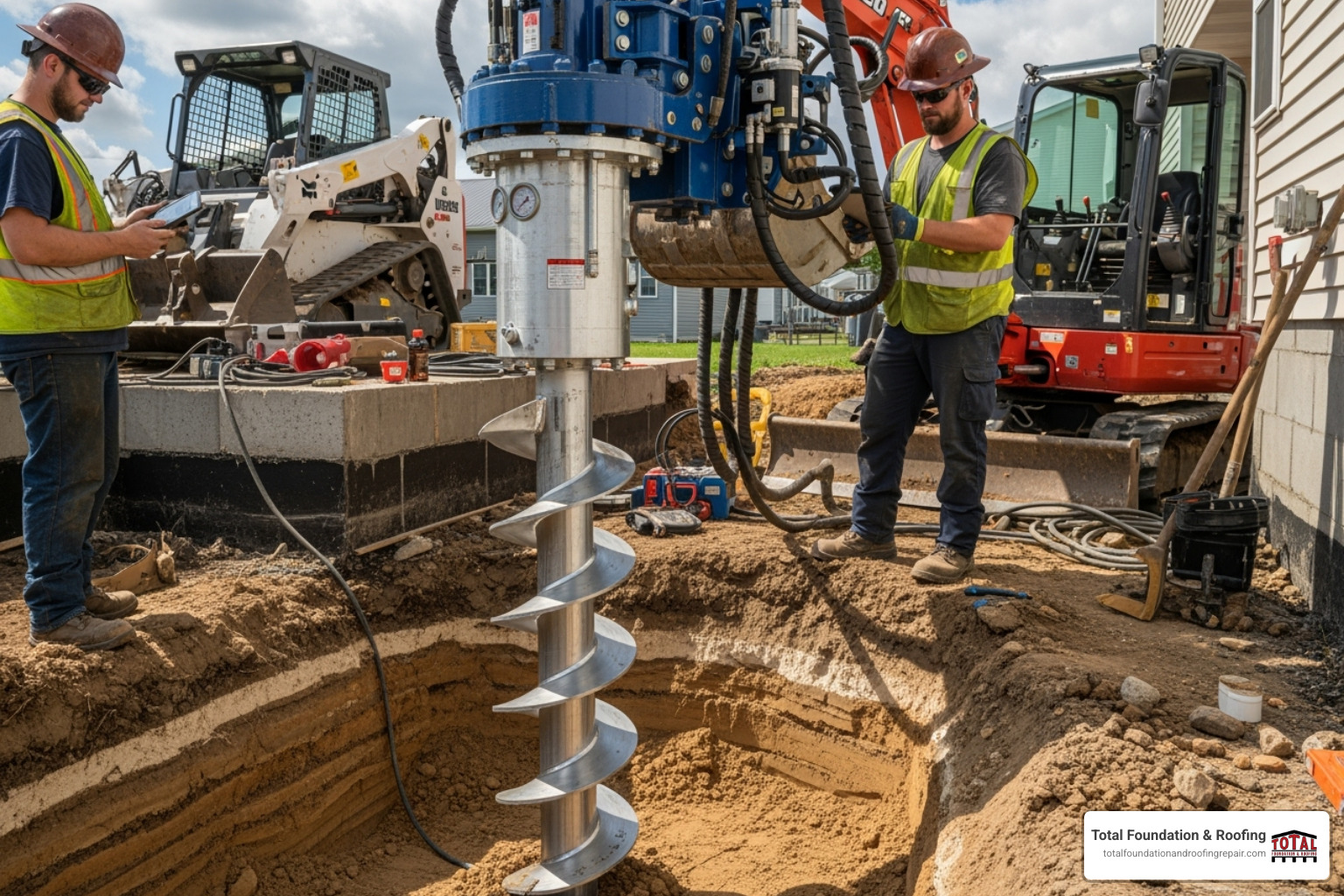
- Helical piers: Screwed in like large corkscrews; excel in varied soils and resist uplift. Installations often start around $24,000; about $1,500–$2,500 per pier.
Slabjacking: Raise settled concrete
- Polyurethane foam injection: Expanding foam lifts slabs and compacts soil; fast cure, minimal disruption, waterproof. Most jobs: $900–$7,500. Learn more: Concrete Leveling with Foam Injection.
- Mudjacking: Cement-soil slurry lifts slabs; effective but can deteriorate over time. Small areas from ~$700; a 3-car driveway ~ $3,200.
Targeted crack repair: Prevent water and worsening damage
- Epoxy injection: Bonds hairline cracks and seals against moisture.
- Vinyl patches or hydraulic cement: Practical for larger, stable, non-structural cracks (typically $10–$20 per bucket).
Specialized stabilization
- Wall anchors/tiebacks: Resist lateral soil pressure on bowing or leaning walls.
- Carbon fiber strips: Reinforce walls with mild bowing.
- Adjustable steel jacks (pier & beam): Support and re-level sagging floors.
Here’s how the main repair methods compare for typical foundation issues:
| Repair Method | Best For | Typical Cost | How Long It Lasts | Disruption Level |
|---|---|---|---|---|
| Steel Piering | Major settlement, structural support | $15,000-$25,000 | 150+ years | Moderate excavation required |
| Polyurethane Foam Injection | Settled concrete slabs, minor voids | $900-$7,500 | 20+ years | Minimal – small injection holes |
| Crack Sealing | Minor, non-structural cracks | $200-$1,000 | 5-10 years | Very low – surface work only |
Good foundation repair advice starts with proper diagnosis. A pro will determine whether you need comprehensive underpinning or targeted, lower-cost fixes—so you pay for only what your home truly needs.
Your Home’s First Line of Defense Against Foundation Problems
Foundation repair advice can protect your investment and prevent small issues from turning into major structural work. If you’re seeing cracks, doors that stick, or floors that slope, act sooner rather than later.
Essential Foundation Repair Steps:
- Identify warning signs – Cracks in walls, sticking doors, uneven floors
- Determine the cause – Poor drainage, soil issues, or plumbing leaks
- Choose the right repair method – Piering, slabjacking, or crack sealing
- Budget appropriately – Minor repairs: $500-$2,000, Major repairs: $15,000-$25,000
- Hire qualified professionals – Licensed, insured contractors with local experience
Most foundation problems are fixable when caught early. For professional assessments in the Texas Hill Country, our team offers reliable home foundation repair services with transparent pricing and lasting solutions. I’m Daniel Sowell of Total Foundation & Roofing Repair, and our goal is to restore stability—and your peace of mind—quickly and correctly.
Diagnosing the Damage: Signs, Causes, and Key Considerations
Foundation Repair Advice for Spotting Trouble: Common Red Flags
Learning the early signs is the most effective way to control costs and protect your home.
Interior signs:
- Cracks: Diagonal or stair-step drywall cracks (especially near doors/windows), or tile/hardwood cracking.
- Sticking doors/windows: Frames shift out of square when foundation movement occurs.
- Uneven floors: Slopes, bouncy areas, or sags indicate settlement or pier/beam issues.
- Gaps/separations: Growing spaces at ceilings or baseboards point to uneven movement.
Exterior signs:
- Foundation wall cracks: Horizontal/vertical/stair-step. Cracks wider than 1/4 inch need prompt evaluation.
- Leaning chimney: A strong indicator of localized settlement beneath a heavy load.
- Brick/stucco cracking: Stair-step mortar cracks or long stucco fractures, especially alongside interior clues.
- Bowing walls or sinking sections: Serious structural concerns—don’t delay.
For minor, stable cracks, learn to Fix Foundation Crack.
The Root of the Problem: Causes and Foundation Types
Why foundations fail:
- Expansive clay soils: Swell when wet, shrink when dry—common in the Texas Hill Country.
- Poor drainage: Short downspouts, clogged gutters, or negative grading saturate soils and raise pressure on walls.
- Plumbing leaks: Under-slab or crawl space leaks cause localized soil expansion. See House Foundation Leak Repair.
- Tree roots: Large trees near the foundation remove moisture or physically displace soil.
- Seasonal extremes: Drought followed by heavy rain drives movement; in long dry periods, maintain consistent soil moisture.
Foundation types and vulnerabilities:
- Pier and beam: Crawl space access is a plus; wood elements risk moisture damage, rot, and pests. Sagging/bouncy floors are common symptoms.
- Concrete slab: Efficient to build, but sensitive to soil movement. Expect cracking and uneven settling.
The High Stakes of Waiting: Risks & When to Consider Replacement
- Costs rise with time: What might be a simple, targeted repair today can evolve into a complex, whole-house underpinning project costing tens of thousands if ignored.
- Structural damage spreads: Unchecked movement doesn’t stay in the foundation. It travels up through the home’s frame, leading to more cracks, binding doors and windows, and even roofline and plumbing impacts that require costly secondary repairs.
- Water and mold: Foundation cracks are an open invitation for water intrusion. These cracks become highways for moisture, leading to wood rot in pier and beam foundations, and promoting unhealthy mold and mildew growth within walls.
- Lower property value: Obvious foundation issues are a major red flag for potential buyers and can reduce a home’s market value by as much as 20%. Many lenders will not finance a home with known structural problems.
- Repair vs. replacement: Most localized issues respond well to modern repair methods like underpinning, slabjacking, or targeted crack sealing. A full foundation replacement is a last resort, reserved only for cases of severe, widespread, or otherwise unsalvageable damage.
The Path to Stability: Expert Foundation Repair Advice on Methods, Costs, and Contractors
Once you understand the problem, choose targeted solutions that fit your foundation type, soil, and damage severity.
A Homeowner’s Guide to Foundation Repair Methods
Underpinning (Pier Installation): Extends foundations to competent strata for lift/stability.
- Steel Piers: Hydraulically driven pipes; very long service life (often 150+ years).
- Helical Piers: Screw-in piers that perform well in varied soils and resist uplift.
Slabjacking (Concrete Lifting): Fills voids and raises settled slabs.
- Polyurethane Foam Jacking: Minimally invasive, fast cure, waterproof. Learn more: Concrete Leveling with Foam Injection.
- Mudjacking: Traditional cement-soil slurry; effective but may deteriorate over time.
Crack Sealing: Epoxy injections or patches for minor, non-structural cracks to prevent water entry.
Wall Stabilization: Wall anchors or carbon fiber systems for bowing/leaning walls.
Crawl Space Supports: Adjustable steel jacks to level sagging pier & beam floors.
| Repair Method | Primary Use Case | Typical Cost Range | Longevity/Durability |
|---|---|---|---|
| Piering (Steel/Helical) | Lifting/stabilizing settling foundations | $1,000 – $3,000 per pier | Very long-term (150+ years for steel) |
| Slabjacking (Polyurethane) | Lifting/leveling concrete slabs, void filling | $900 – $7,500 | Long-term, hydrophobic, stable |
| Crack Sealing (Epoxy/Patch) | Minor, non-structural cracks, water prevention | $500 – $2,000 (minor) | Durable for non-moving cracks, prevents water ingress |
Foundation Repair Advice on Costs and Insurance: Budgeting for Stability
Typical ranges vary by scope, access, soil, and engineering:
- Minor repairs: $500–$2,000
- Slabjacking: $900–$7,500
- Underpinning: $1,000–$3,000 per pier; many projects $15,000–$25,000+
- Full replacement: $20,000–$100,000+
For a deeper breakdown, see our Ultimate Foundation Repair Cost Guide.
Insurance typically doesn’t cover gradual settlement or expansive-soil damage. Coverage may apply only when a covered peril (e.g., sudden pipe burst) directly causes the foundation issue—verify with your insurer.
Conclusion: Finding a Pro and Securing Your Home’s Future
Choose the right contractor:
- Licensing & insurance: Verify liability and workers’ comp.
- Local experience: Soil-specific expertise matters in the Texas Hill Country; see our Kerrville Foundation Repair work.
- Reputation & references: Check reviews and past projects.
- Clear estimates & warranties: Get itemized scopes and strong guarantees.
- Safety & compliance: Adherence to codes and OSHA guidelines.
Key questions to ask:
- What experience do you have with my soil and foundation type?
- Which method do you recommend and why?
- What’s the timeline and detailed cost breakdown?
- What warranties do you provide?
- Are you licensed and insured? Can I see proof?
Prevent future issues:
- Drainage: Clean gutters; extend downspouts 5–10 feet; grade soil to slope away.
- Moisture control: Fix leaks promptly; ventilate/dehumidify crawl spaces.
- Landscaping: Keep large trees 20+ feet from the foundation.
For expert guidance and a free estimate, explore our Foundation Repair Services. We deliver certified, high-quality workmanship—custom to Kerrville, Fredericksburg, Comfort, and the entire Texas Hill Country.