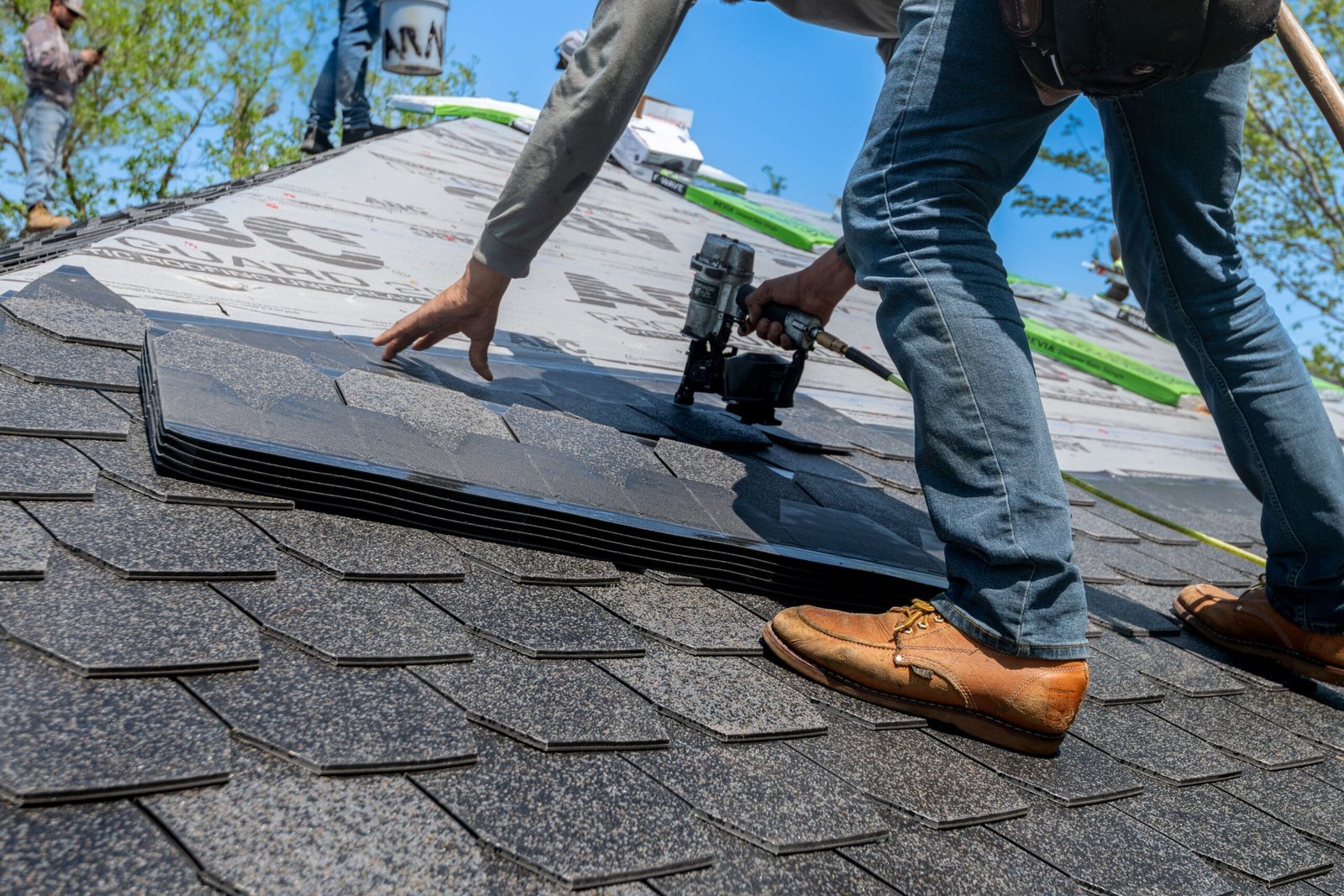

The Critical Connection: Why Your Shingle-to-Metal Transition Matters
Proper transition flashing shingles to metal is crucial for preventing water damage. It creates a watertight seal where two different roofing materials meet, and a small mistake here can cause thousands in water damage. These transition points are the most vulnerable parts of your roof, where water infiltration can lead to leaks, rot, and structural decay. For homeowners in the Texas Hill Country, protecting your investment with an expertly installed roofing system is essential. As Kerrville’s trusted roofing and foundation experts, we provide the expertise to give you peace of mind.
Here are the key components for a successful transition:
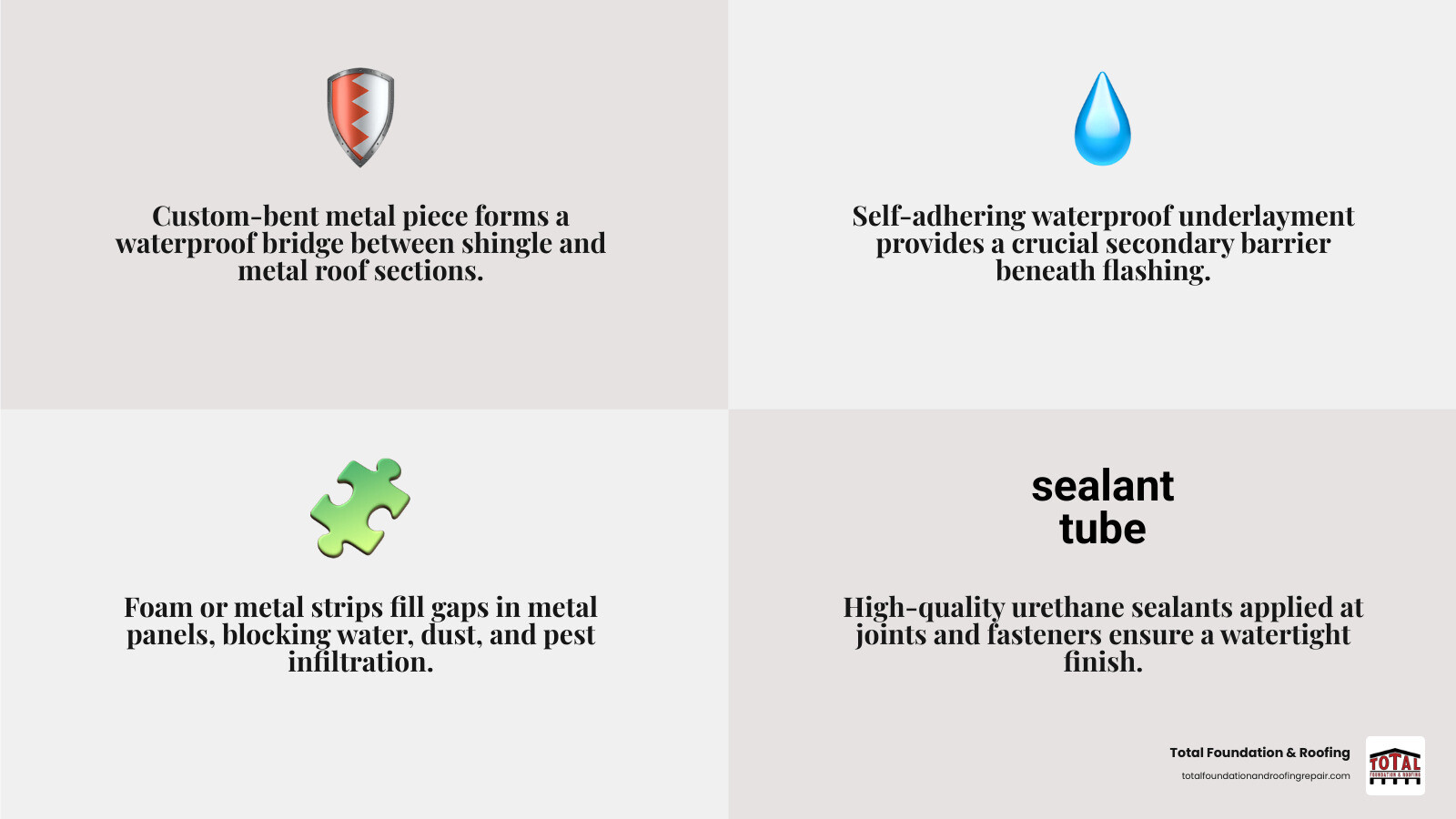
- Transition Flashing: A custom-bent metal piece that bridges the shingle and metal sections.
- Waterproof Underlayment: A self-adhering membrane like ice and water shield.
- Closures: Foam or metal strips to fill gaps in metal panels.
- Quality Sealants: Applied at joints and fasteners for extra protection.
Metal roofs offer superior durability and longevity, lasting 40-70 years compared to asphalt shingles’ 15-30 years. However, this lifespan depends entirely on flawless installation, particularly at critical junctions. Our team, with over 18 years of experience, expertly handles projects including transition flashing shingles to metal, ensuring lasting protection for homes in the Kerrville area and across the Texas Hill Country.
The Ultimate Guide to Installing Transition Flashing Shingles to Metal
Pre-Installation Checklist: Planning for a Flawless Transition
Before touching a single panel, planning is where roofing projects succeed or fail, especially a critical transition flashing shingles to metal. Think of it as building a foundation for your roof.
We always begin with a thorough structural integrity check. Your roof’s framework must support the new metal system. We inspect trusses, rafters, and decking for sagging, bowing, or weakness.
Next is the roof deck inspection. We search for rot, water damage, or deteriorated sheathing. Any compromised areas require rot replacement immediatelya sound deck is non-negotiable for a lasting installation.
We also handle building code compliance and permit requirements. Every roofing project in Kerrville, Fredericksburg, and Comfort must meet local codes. Proper permits ensure your project meets safety standards and remains insurable, avoiding future fines or headaches.
A ventilation assessment is also key. Metal roofs change how heat moves through your attic, and proper ventilation prevents moisture buildup that can cause mold and structural decay.
Finally, you’ll decide between an overlay vs. a tear-off. An overlay (installing metal over shingles) is faster and more budget-friendly upfront, but only if your current roof is in good shape. A full tear-off is more labor-intensive but allows us to inspect the entire deck and create a perfect surface. The cost comparison is typically $7-$12 per square foot for an overlay versus $10-$20+ for a tear-off. A tear-off’s long-term benefits often justify the investment. For more details, see our home roof replacement guide.
Gathering Your Arsenal: Essential Materials and Tools
A successful transition flashing shingles to metal project depends on high-quality materials.
First, compare your flashing options:
| Flashing Material | Pros | Cons | Cost (Relative) |
|---|---|---|---|
| Galvanized Steel | Cost-effective, strong, widely available | Can corrode if coating is compromised | Moderate |
| Aluminum | Lightweight, excellent corrosion resistance, flexible | Softer, can be dented more easily | Moderate to High |
| Copper | Extremely durable, naturally corrosion-resistant, beautiful patina | Very expensive, requires specific expertise | High |
Other essential materials include:
- Compatible Metal Panels: Your choice of standing seam, corrugated, or other panels sets the stage. Metal roofs offer incredible durability and energy efficiency.
- Transition Flashing: This is the MVP. We use custom-bent, 26-gauge minimum metal flashing to create the critical waterproof bridge.
- Self-Adhering Ice and Water Shield: This rubberized asphalt membrane acts as a primary defense, sealing around fasteners and providing an extra protective layer at vulnerable transition points.
- Furring Strips: Essential for overlays, these strips create an airspace for ventilation and provide a level, secure fastening surface for the new metal panels.
- Foam or Metal Closures: These fill the gaps in ribbed metal panels, preventing wind-driven rain, pests, and debris from entering your roof system. They must match your panel profile exactly.
- High-Quality Sealant and Butyl Tape: Urethane sealant and butyl tape are used to seal joints, seams, and fasteners for additional watertight protection.
- Corrosion-Resistant Fasteners: Every screw and nail must be designed for exterior use and be compatible with your metal roofing to prevent galvanic corrosion.
Learn more about our comprehensive metal roof installation services and how we protect your investment.
Step-by-Step Installation of Transition Flashing Shingles to Metal
Installing transition flashing shingles to metal requires precision at every step to ensure a watertight, long-lasting roof.

- Step 1: Deck Preparation: We start by cleaning the deck of all debris. We inspect every inch of sheathing for damage, and any rotted or water-damaged sections are replaced immediately. A solid foundation is essential.
- Step 2: Underlayment Application: We apply self-adhering ice and water shield across the transition area. This waterproof membrane extends several feet up the shingle roof deck and down onto the lower deck where metal will sit, creating a continuous, self-healing barrier.
- Step 3: Metal Panel Installation: We precisely cut and fasten the lower metal panels up to the transition line, following manufacturer specifications for overlap and fastener placement to create a solid base for the flashing.
- Step 4: Flashing Placement: This is the heart of the operation. We use custom-bent flashing that extends 5 to 6 inches under the upper shingles and out over the newly installed metal panels. It’s slid under the upper roof’s underlayment and over the lower metal, creating a seamless waterproof bridge that ensures positive drainage.
- Step 5: Sealing the Transition: We install foam or metal closures that fit the metal panel ribs precisely. High-quality urethane sealant is then applied on top of these closures and along all seams and flashing edges for a robust defense against leaks.
- Step 6: Re-installing Shingles: We carefully reinstall the upper shingles, ensuring they properly overlap the new flashing system to shed water directly onto the metal flashing below.
For deeper insight, review the General Flashing Guidelines for Steep-Sloped Roofs from the IBHS Fortified Home program.
Avoiding Disaster: Common Mistakes and Pro Tips
Even small oversights during transition flashing shingles to metal installation can lead to thousands in water damage. Here are common mistakes and how to avoid them.
The most common mistakes include:
- Insufficient Overlap: Flashing must extend at least 5-6 inches under upper shingles and over lower metal. Anything less creates a path for water.
- Relying Solely on Caulk: Sealants are a secondary defense that degrades over time. Flashing provides the primary mechanical barrier.
- Skipping Closures: These profile-specific pieces are indispensable for blocking wind-driven rain and pests from entering gaps in ribbed panels.
- Improper Underlayment Integration: Ice and water shield must be correctly layered and sealed with the flashing system to be effective.
- Galvanic Corrosion: Using dissimilar metals without a barrier (like copper flashing with steel fasteners) causes rapid deterioration.
Pro-Tip: Flashing strategy changes with roof pitch. Steep pitches rely on gravity and layering, while low-slope roofs need more aggressive sealing. Custom-bending flashing is key, as generic products rarely fit perfectly.
A metal roof can last 40-70 years, but improper flashing can cause it to fail in the first major storm. If you suspect a leak, our roof leak detection services can find the source. For scheduling and options, visit our Roofing Services page.
For manufacturer best practices, review GAFs guide to roof flashing.
Ensuring Longevity: Maintenance and Professional Expertise
Post-Transition Care: Maintaining Your New Metal Roof
Your new metal roof is installed and the transition flashing shingles to metal is seamless. While metal roofs are low-maintenance, they aren’t no-maintenance. A little regular care ensures you get the full 40-70 year lifespan.
An annual inspection is like a wellness check. Look for loose fasteners, worn sealants, or shifting flashing. Catching a minor issue early prevents it from becoming a major headache.
Gutter cleaning is also critical. Clogged gutters cause water to back up along the roofline, potentially working its way under flashing. This is a real threat during the Texas Hill Country’s sudden downpours. Also, keep the roof surface clear of debris like leaves and branches, which trap moisture and can cause corrosion.
Pay special attention to sealant integrity around transitions and penetrations. UV exposure and temperature swings degrade even high-quality sealants over time. Look for cracks or peeling and reapply sealant to maintain a watertight barrier. If you see scratches on painted panels, touch them up promptly to prevent rust.
The payoff for this maintenance is substantial. Metal roofs reflect solar heat, leading to energy savings of up to 25% on cooling costs. They also increase home value and offer superior weather resistance against wind, hail, and fire. If you need help, learn about our roof repair in Fredericksburg, TX services.
When to Call the Pros for Transition Flashing Shingles to Metal
While we admire a confident DIYer, installing transition flashing shingles to metal is not a beginner’s project. This is precision work where small errors lead to expensive consequences—a small mistake at a roof transition can cause thousands in water damage.
Here are clear signs you need professional help:
- Complex Rooflines: If your home has dormers, multiple valleys, or intricate pitch changes, the flashing becomes exponentially more complicated. Each angle requires custom fabrication and precise installation.
- Steep Pitches: These present serious safety hazards. Professionals use specialized safety harnesses and fall protection. No roofing project is worth the risk of severe injury.
- Lack of Proper Tools or Experience: Cutting and bending metal flashing requires specialized equipment like brake presses and shears. Without them, achieving a professional, watertight seal is nearly impossible.
- Warranty Compliance: Most metal roofing manufacturers will void their product warranties if the roof wasn’t installed by certified professionals, leaving your investment unprotected.
- Building Codes: Local regulations in Kerrville, Fredericksburg, and Comfort are specific and change regularly. Professionals stay current, ensuring your project is compliant and avoiding fines or issues when you sell your home. Homeowners can review baseline standards with the Roofing Contractors Association of Texas (RCAT).
The benefits of professional expertise go beyond avoiding disaster. A properly installed transition flashing shingles to metal provides a guaranteed watertight seal and ensures your roof delivers its full performance and lifespan.
Total Foundation & Roofing brings over 18 years of experience to projects in the Kerrville area and across the Texas Hill Country. We understand our unique climate—from intense summer heat to torrential downpours—and we select materials and use techniques specifically engineered for these conditions.
Your home deserves protection from professionals who get it right the first time. We’ll ensure your roofing investment delivers decades of reliable performance. You can also request a free estimate for our expert Roofing Services to get started.