
Why Protecting Your Home from Environmental Damage Matters
To protect from light heat and moisture is to preserve your home’s structure and belongings. These environmental factors degrade materials, fade colors, and weaken your home over time. The Texas Hill Country’s intense sun and humidity swings pose unique challenges, making a robust foundation and roof system your first line of defense.
Quick Protection Strategies:
- Light: Use UV-blocking window films or shades.
- Heat: Maintain indoor temperatures below 72°F and ensure proper attic ventilation.
- Moisture: Keep relative humidity between 30-50% with dehumidifiers and exhaust fans.
- Foundation: Seal air leaks and manage drainage to prevent moisture intrusion.
- Roof: Use reflective materials and perform regular maintenance.
Uncontrolled moisture is especially destructive, leading to mold and structural decay. A single air leak can admit 100 times more moisture than diffusion through building materials. Meanwhile, UV radiation from light causes irreversible fading, and heat accelerates the chemical breakdown of everything from roofing shingles to furniture. Addressing your home’s entire envelope—the barrier between inside and out—is key to preventing small issues from becoming costly repairs.
Your Guide to Protecting Your Home and Belongings
Understanding the Threats: How Light, Heat, and Moisture Cause Damage
To effectively protect from light heat and moisture, one must understand how these elements damage a home. They are the primary culprits behind residential degradation, often working together.
Primary Damage Sources:
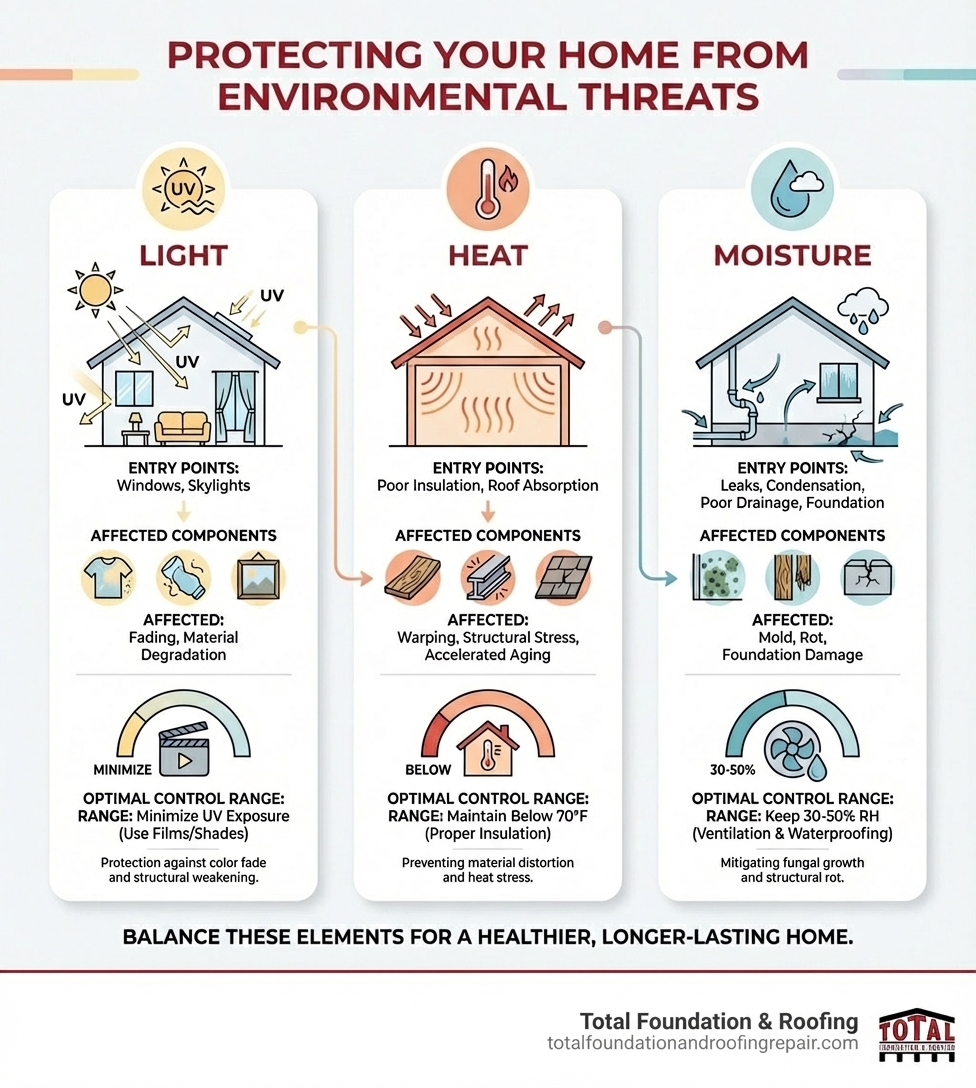
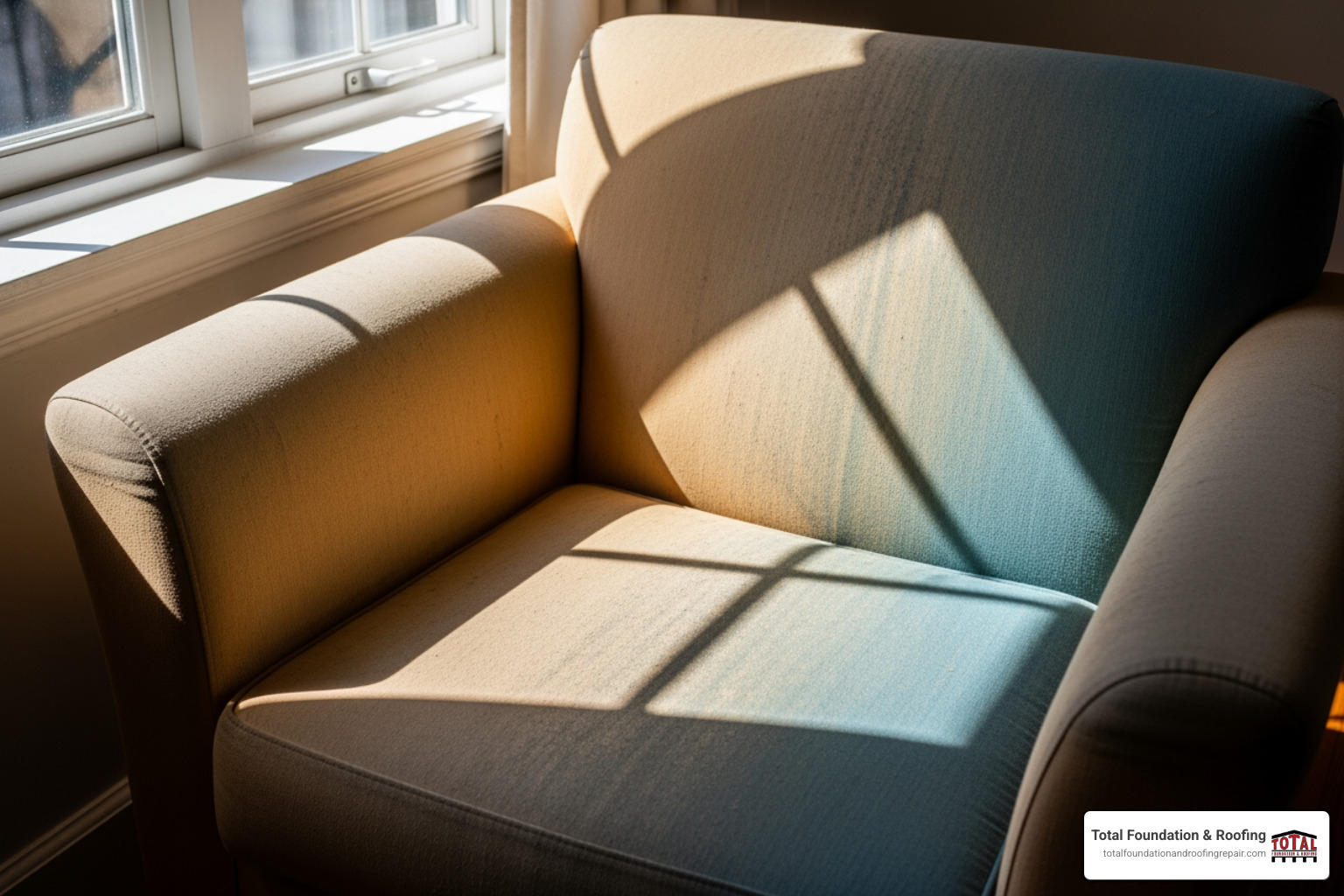
- Light Damage (UV Fading): The sun’s ultraviolet (UV) rays break down chemical bonds in materials, causing irreversible fading, discoloration, and embrittlement in furniture, art, and fabrics.
- Heat Damage (Material Degradation): High temperatures accelerate chemical reactions, causing wood to warp, plastics to crack, and adhesives to fail. This thermal stress can also cause cracks in walls and foundations.
- Moisture Damage (Mold, Rot): Excess moisture is a breeding ground for mold and mildew, which pose health risks and cause odors. It also leads to wood rot and can cause significant foundation problems from soil expansion, a common issue in the Texas Hill Country where intense sun and sudden downpours create a challenging climate.
Managing Your Home’s Climate: Temperature and Humidity Control
Actively managing your indoor climate is a critical defense. A stable environment safeguards your home’s structure and your belongings.
Optimal Indoor Conditions:
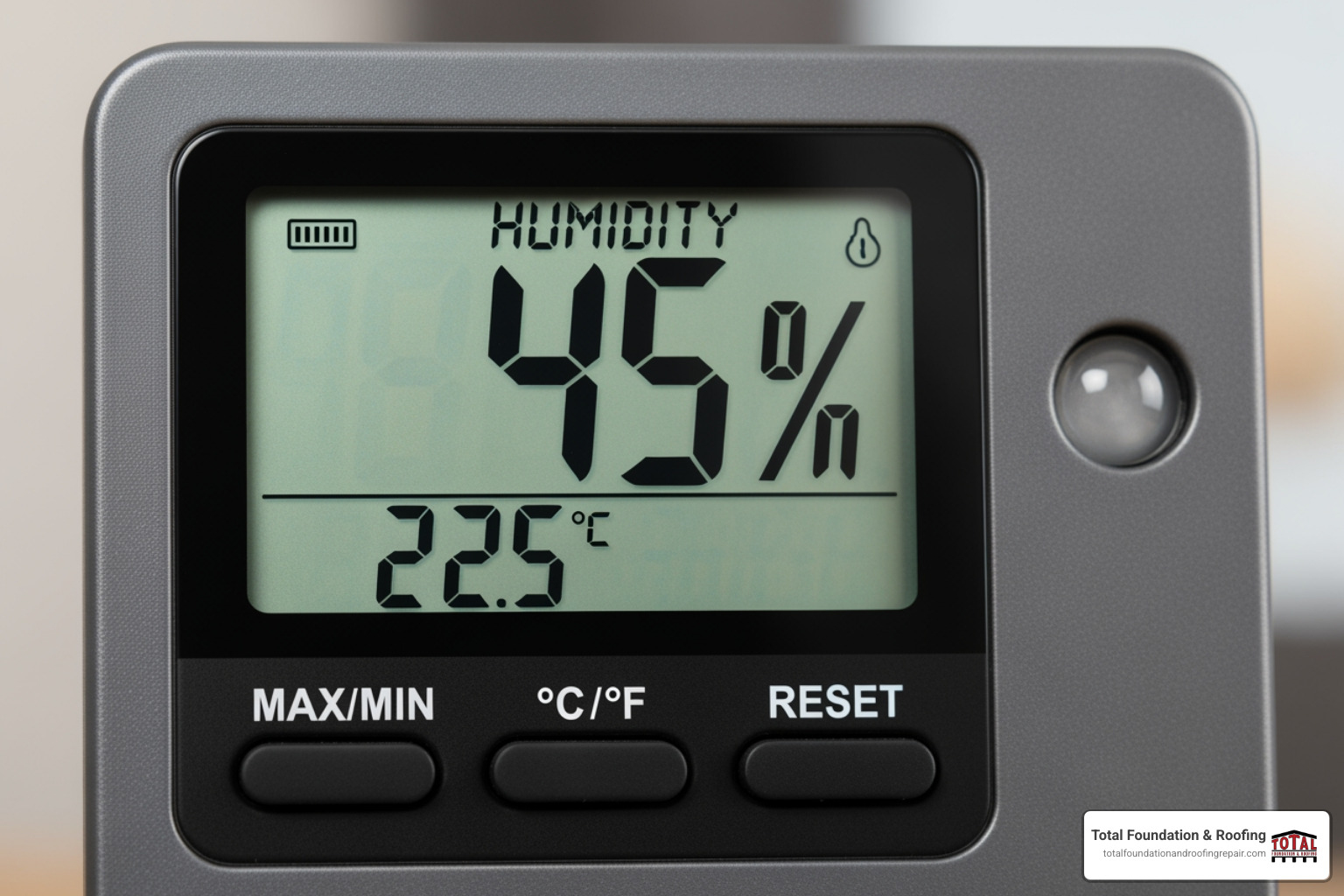
For preservation and comfort, the ideal indoor temperature is 68-72°F, with a relative humidity (RH) between 30-50%. This range is crucial for several reasons:
- Health: It discourages the growth of mold, dust mites, and other allergens.
- Mold Prevention: Keeping humidity below 50% is a primary strategy to prevent mold growth.
- Material Protection: Stable humidity prevents wood from warping or cracking and protects electronics and paper from damage.
Tools for Control:
- Thermostats: A programmable thermostat helps maintain a consistent, energy-efficient temperature.
- Dehumidifiers: These are essential in humid climates for removing excess moisture from the air to maintain the ideal RH range.
Maintaining a balanced indoor climate is a proactive measure to prolong the life of your home. If you suspect structural issues are allowing moisture to enter, it’s wise to investigate more info about our foundation repair services.
The Ultimate Guide to Protect from Light, Heat, and Moisture
Now that we understand the threats, let’s dive into actionable strategies to protect from light heat and moisture throughout your home.
Shielding from Light: Window Strategies and More
Windows are a primary source of heat gain and harmful UV rays. Managing this is key to protecting your interior. When choosing window products, look for a low Solar Heat Gain Coefficient (SHGC), which indicates less solar radiation passes through.
Window Treatments: Curtains, Blinds, and Films:
| Treatment Type | Cost | Effectiveness (Heat/UV) | UV Blocking | Light Control | Unique Benefit |
|---|---|---|---|---|---|
| Insulated Cellular Shades | Medium-High | High | High | Excellent | Reduce solar heat gain by up to 60%; 40%+ heat loss reduction |
| Medium-Colored Draperies | Medium | Medium | Medium-High | Good | Reduce heat gains by 33% (with white backing) |
| Window Films | Low-Medium | High | Very High | Good | Block solar heat gain, glare, and up to 99% UV rays |
| Louvered Blinds | Low-Medium | Medium | Medium | Excellent | Adjustable slats for precise light and heat control |
| Roller/Roman Shades | Low-Medium | Low-Medium | Medium | Good | Simplicity, can be layered |
- Insulated Cellular Shades: These are highly energy-efficient, with honeycomb air pockets that act as insulators. They can reduce unwanted solar heat by up to 60%. You can learn more about cellular shades and their benefits.
- Draperies: Medium-colored draperies with white backings can reduce heat gains by 33%. For maximum effect, ensure they are sealed at the edges.
- Window Films: Applied to glass, these films block solar heat and up to 99% of UV rays. Installation may void some window warranties.
Landscaping and Paint:
Strategic landscaping, like planting deciduous trees on the south and west sides of your home, provides natural shade. Lighter-colored exterior paint also helps by reflecting more sunlight and absorbing less heat.
Battling the Heat: A Whole-Home Approach
In the Texas Hill Country, robust defenses against extreme heat are essential to protect from light heat and moisture.
Heat and Health:
The Heat Index combines temperature and humidity to measure how hot it feels. High heat poses significant health risks like heat exhaustion and heat stroke, especially for vulnerable groups like children and older adults. People at higher risk from heat should take extra precautions.
Your Home’s Defenses:
- Insulation: This is your home’s thermal barrier, resisting heat flow. Proper insulation in walls, attics, and floors reduces the load on your HVAC system.
- Attic Ventilation: A well-ventilated attic, a concept explained well by roofing experts like GAF, allows super-heated air to escape, preventing it from radiating into your living space and reducing moisture buildup.
- Quality Roof System: Your roof is the first line of defense. Materials like metal roofing options are excellent for reflecting solar radiation. Lighter colors absorb less heat. Regular maintenance and timely roof repair are critical.
- Sealing Air Leaks: Cracks around windows and doors can account for 25-40% of a home’s energy loss, according to the EPA. Sealing these leaks with caulk and weather stripping improves energy efficiency and prevents hot, humid air from entering. If you’re concerned about your roof’s integrity, get a free estimate for roof repair from our experts.
Mastering Moisture: How to Protect from Light, Heat, and Moisture Damage
Moisture is a pervasive threat, and controlling it is key to a healthy, durable home. It comes from external sources like rain and internal sources like cooking and showering.
Moisture Control Strategies:
- Ventilation: Use kitchen and bathroom exhaust fans to remove moisture-laden air directly at the source.
- Dehumidifiers: These devices actively remove moisture from the air, helping maintain the ideal 30-50% relative humidity, especially in basements or crawl spaces.
- Gutters and Drainage: Properly functioning gutters direct rainwater away from your foundation. The ground should also be graded to slope away from the house. Investing in expert gutter installation is a crucial preventive measure.
- Air Leak Sealing: Air leaks are major pathways for moisture. A small leak can admit 100 times more moisture than diffusion. Sealing them controls both heat and moisture.
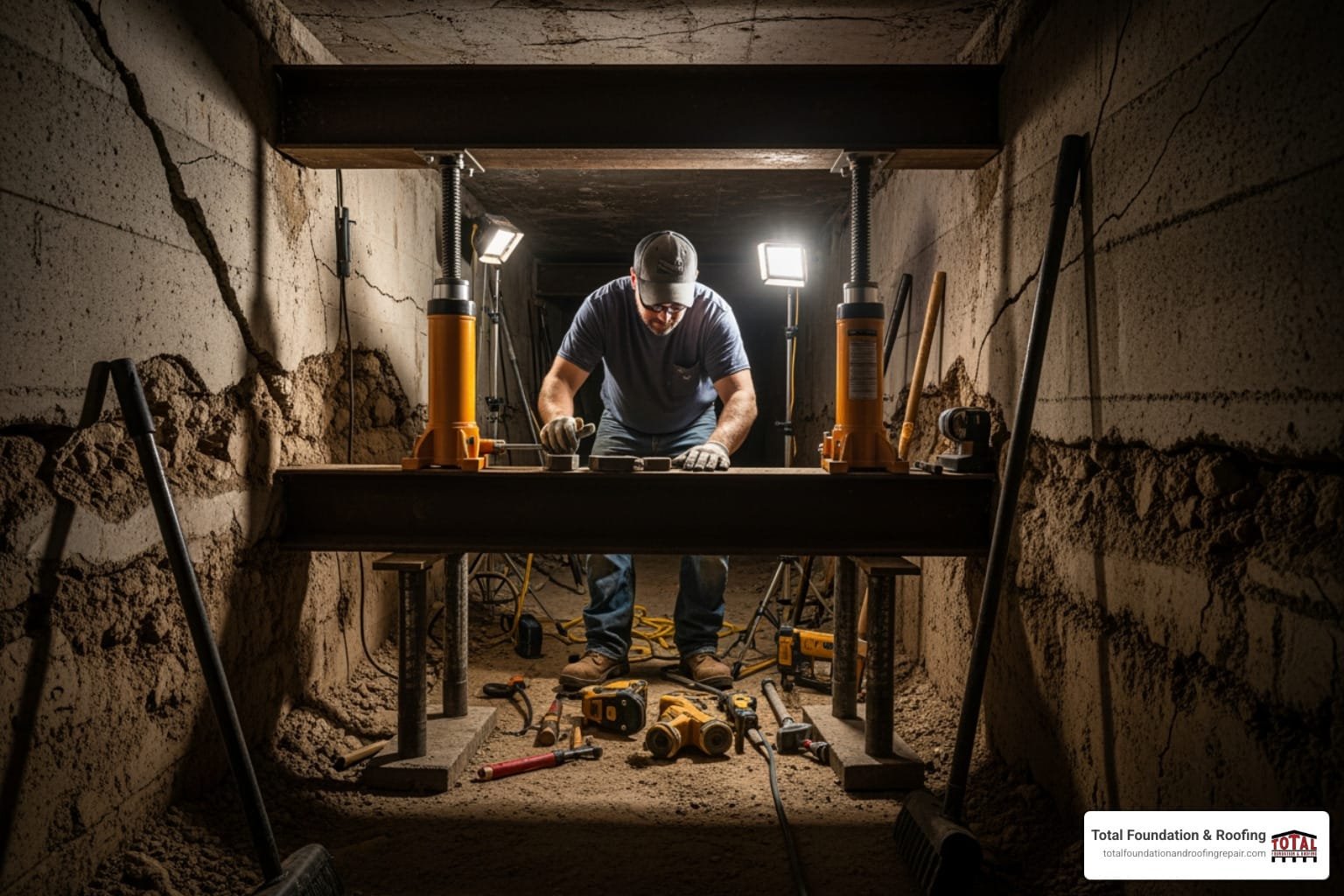
- Foundation Waterproofing: For homes in regions with expansive soils, foundation waterproofing solutions are often necessary to prevent water from compromising the structure.
- Prompt Leak Repair: Whether from the roof or plumbing, leaks must be fixed immediately. A quick emergency roof leak repair can prevent extensive water damage and mold.
Protecting Valuables: How to Protect from Light, Heat, and Moisture Indoors
Protecting valuables like photos, books, and art requires specific attention to the indoor environment. The golden rule is to keep them cool, dark, and dry.
Storing Paper, Books, and Photos:
These items are highly vulnerable. The Northeast Document Conservation Center offers basic guidelines for preservation that emphasize stability.
- Environment: Aim for a cool (below 70°F) and dry (30-55% RH) environment. Avoid attics and basements, which have extreme temperature and humidity swings.
- Light: Minimize all light exposure, as light damage is cumulative and irreversible. Store items in boxes or use UV-filtering glass.
- Storage Materials: Use acid-free and lignin-free folders and boxes to prevent chemical degradation.
Items Highly Sensitive to Environmental Changes:
- Photographs and film negatives
- Leather-bound books
- Wooden instruments and furniture
- Electronics
- Textiles and fabrics
Secure Your Home’s Defenses in the Texas Hill Country
A secure home envelope is your best defense against the relentless elements of the Texas Hill Country. From the scorching sun to sudden downpours and fluctuating humidity, our homes are constantly under siege. Proactive maintenance of your roof, foundation, and drainage systems prevents costly damage and ensures your home remains a safe, comfortable haven.
For homeowners in areas like Kerrville, managing these risks is a year-round job. At Total Foundation & Roofing, we understand the unique challenges our local climate presents. We provide expert assessments and repairs to ensure your home is protected from light, heat, and moisture, safeguarding your investment and your peace of mind.
Don’t wait for a small issue to become a major problem. Explore our foundation waterproofing services to learn how we can help you create a safer, drier home for years to come.