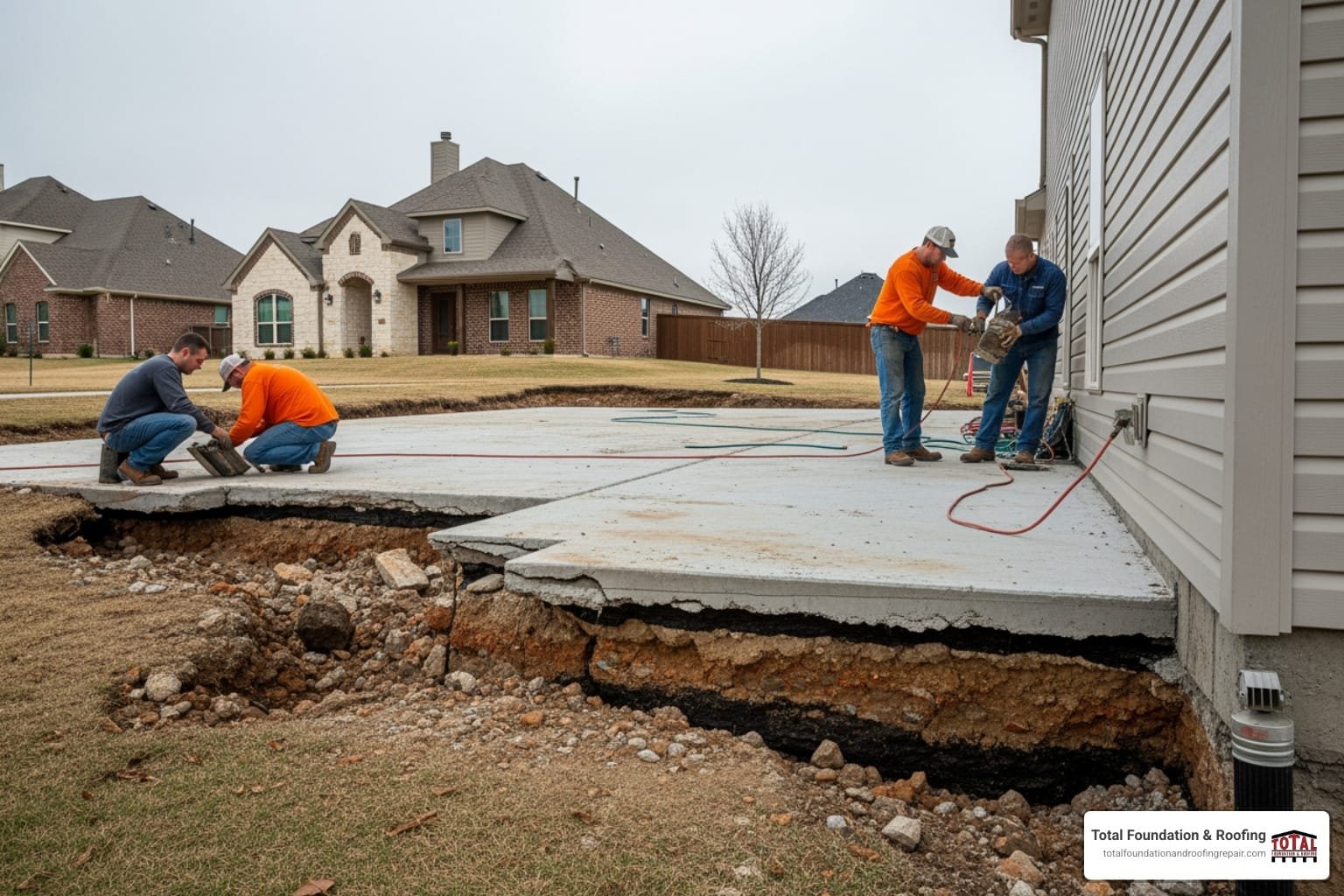

Why Understanding Foundation Cracks Matters for Every Homeowner
Spotting a crack in your home’s foundation can be alarming, but not all cracks signal a structural catastrophe. For many homeowners, ensuring the long-term health of your home’s foundation is a top priority, especially in areas with unique soil conditions like the Texas Hill Country. Knowing how to fix foundation cracks by yourself starts with understanding the difference between a minor issue and a major problem.
Most foundation cracks fall into two categories: minor cosmetic issues you can repair yourself, and serious structural problems that demand professional attention.
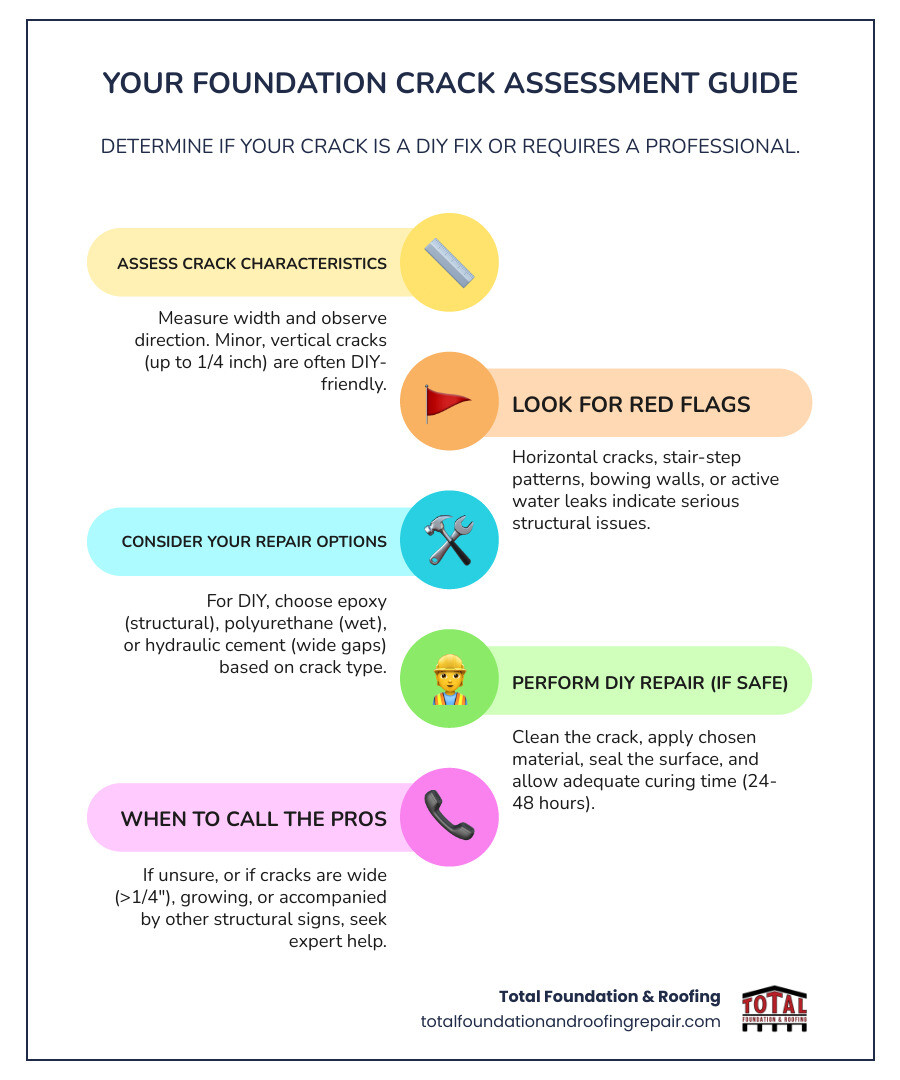
For DIY-friendly cracks (hairline to 1/4 inch wide, vertical, non-moving):
- Clean the crack thoroughly.
- Choose your repair material (epoxy, polyurethane, or hydraulic cement).
- Apply the sealant using an injection kit or direct application.
- Seal the surface and allow it to cure.
- Monitor the repair for any changes.
Call a professional immediately if you notice:
- Cracks wider than 1/4 inch
- Horizontal or stair-step crack patterns
- Bowing walls or uneven floors
- Active water seepage
- Cracks that continue to grow
While minor foundation crack repairs typically cost between $250 and $800, major restoration can range from $2,000 to $6,000 or more. DIY epoxy repair kits cost just $75-$225, but they’re only appropriate for specific crack types.
I’m Daniel Sowell, owner of Total Foundation & Roofing Repair in Kerrville, Texas. With over 18 years of experience, I’ve helped countless homeowners distinguish between a simple DIY fix and a problem requiring professional intervention. This guide will empower you to make that critical decision.
Need expert help? If you’re in the Texas Hill Country and unsure about tackling your foundation crack, contact us for a free assessment. We’ll provide an honest answer about whether you can DIY it or if it needs professional attention.
How to fix foundation cracks by yourself terms to know:
Understanding the Problem: Your First Step in How to Fix Foundation Cracks By Yourself
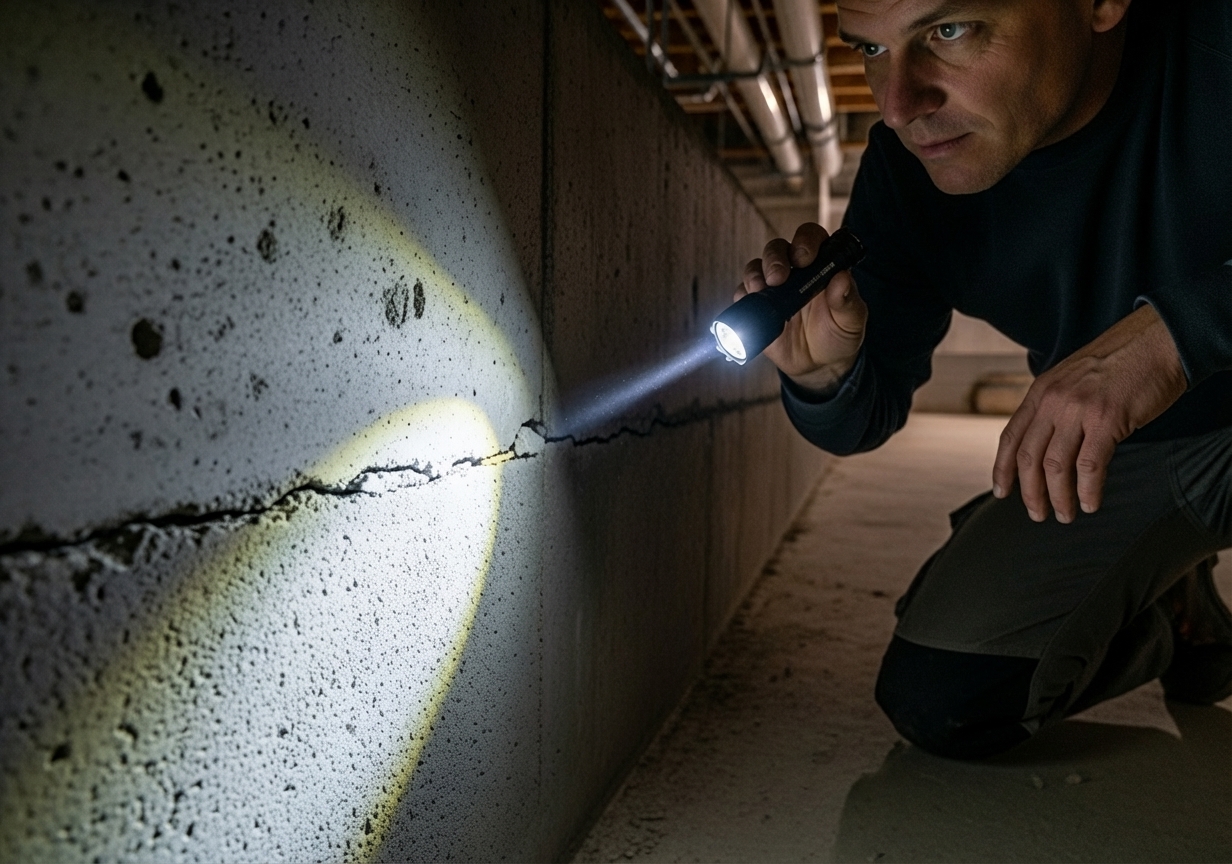
Before you grab your tools, a correct diagnosis is critical. Misinterpreting a serious structural warning sign as a simple cosmetic issue can lead to far more expensive problems down the road. This section will help you become a foundation detective, distinguishing between a minor blemish and a serious structural concern.
Identifying Different Types of Foundation Cracks
The type, direction, and size of a crack reveal its cause and severity.
- Hairline Cracks: Typically less than 1/8 inch wide, these are very common and usually result from concrete curing. In the Texas Hill Country, they are often cosmetic and non-structural.
- Vertical Cracks: Running up and down, these are often caused by minor settlement. If they remain narrow and don’t leak, they might be candidates for DIY repair.
- Horizontal Cracks: These are a major red flag. Horizontal cracks almost always indicate significant structural stress from soil or water pressure and require professional assessment.
- Diagonal Cracks: These can indicate differential settlement, where one part of the foundation is settling more than another. If they are wider at one end, they warrant professional attention.
- Stair-step Cracks: Found in block or brick foundations, these follow the mortar joints and are a classic sign of differential settlement, often indicating a serious issue.
A crucial indicator is crack width. While hairline cracks are generally cosmetic, cracks wider than 1/4 inch typically require professional repair. Any crack that is actively growing is always more concerning than a stable one.
Red Flags: Signs of Serious Structural Issues
Your house may offer other clues that point to a serious foundation problem. If you notice any of these, it’s time to stop your DIY plans and consult an expert:
- Bowing Walls: Basement walls pushing inward, especially with horizontal cracks, signal significant hydrostatic pressure.
- Sticking Doors and Windows: Doors or windows that suddenly become difficult to open or close can indicate foundation movement.
- Uneven or Sloping Floors: A noticeable slope or floors that are no longer level suggest your foundation might be settling unevenly.
- Visible Gaps and Separation: Gaps appearing between walls and ceilings or around window frames are strong indicators of structural instability.
- Water Intrusion and Dampness: Any active water seepage through cracks is a critical issue. Water is the foundation’s worst enemy, and leaks need prompt evaluation and sealing.
If you observe any of these red flags in your Kerrville, Fredericksburg, or Comfort home, we strongly recommend a professional foundation assessment.
Common Causes of Foundation Cracks
Understanding the “why” behind a crack is key to a lasting repair.
- Soil Settlement: All homes settle, but uneven or excessive settlement can lead to cracks.
- Expansive Clay Soil: The Texas Hill Country is notorious for its expansive clay soils. These soils swell when wet and shrink when dry, putting immense stress on foundations.
- Poor Drainage & Hydrostatic Pressure: This is the biggest culprit. Waterlogged soil pushes against foundation walls (hydrostatic pressure) and can erode soil beneath them. Water should be directed at least 5-10 feet away from your foundation.
- Tree Roots: Large trees planted too close to the foundation can draw moisture from the soil, causing it to shrink, or grow under the foundation, exerting upward pressure.
- Concrete Curing: As concrete dries, it shrinks. This natural process can cause harmless hairline cracks.
- Construction Defects: Sometimes, cracks can be attributed to poor construction practices, such as inadequate soil compaction.
The DIY Repair Process: A Step-by-Step Guide
Once you’ve determined your crack is a good candidate for a DIY fix – typically a stable, vertical, or hairline crack less than 1/4 inch wide – it’s time to get to work. Tackling minor, non-structural cracks is a cost-effective way to prevent water intrusion and further damage.
Choosing Your Method for How to Fix Foundation Cracks By Yourself
The material you choose depends largely on the nature of the crack.
| Material Type | Best For | Flexibility | Strength | Typical DIY Cost |
|---|---|---|---|---|
| Epoxy Injection | Structural bonding, dry cracks | Low (rigid once cured) | High (can restore structural integrity) | $75 – $225 |
| Polyurethane Foam | Sealing active leaks, wet/damp cracks | High (expands and remains flexible) | Moderate (seals, but doesn’t restore structural strength) | $75 – $225 |
| Hydraulic Cement | Wider, non-moving cracks, quick water stop | Low (rigid, can re-crack with movement) | High (fast-setting, creates watertight seal) | ~$25 |
- Epoxy Injection Kits: Best for dry, non-moving cracks up to 1/2 inch wide. It provides a strong, structural bond, essentially welding the crack.
- Polyurethane Foam Injection Kits: The best choice for damp cracks or active leaks. It expands to fill the void and remains flexible to accommodate minor movement.
- Hydraulic Cement: A fast-setting material for stopping active water flow or filling wider, stable cracks where flexibility isn’t needed.
How to Fix Foundation Cracks By Yourself Using an Injection Kit
The most common and effective DIY method is a low-pressure injection kit. This process works well for poured concrete foundations.
Tools and Materials Needed:
You’ll need a DIY injection kit (which includes injection ports, surface paste, and either epoxy or polyurethane), a wire brush or grinder, safety gear (glasses, gloves), a caulk gun, and a putty knife. Optional items include a chisel and hammer for widening the crack and carbon fiber fabric for reinforcement.
Step-by-Step DIY Crack Repair:
Prepare the Crack: Wear safety gear. Use a wire brush or grinder to clean the crack and surrounding area of all dust and debris. For wider cracks, you can chisel a ‘V’ shape for better adhesion.
Install Injection Ports: Apply a bead of surface paste along the crack and press the plastic injection ports into it every 6-18 inches. Wiggle a skewer in each port to ensure it remains open.
Seal the Surface: Use a putty knife to spread more surface paste over the entire crack and around the base of the ports, creating an airtight seal. Allow this to cure as directed by the manufacturer (usually at least 12 hours).
Inject the Repair Material: Starting at the lowest port, inject the epoxy or polyurethane solution until it begins to ooze from the port above it. Cap the first port and move to the next, repeating until the entire crack is filled. For more general tips on working with concrete, you can review this guide to concrete repairs.
Cure and Finish: Let the material cure for 12-24 hours. Once hardened, break off the ports with a hammer and use a grinder to smooth the surface.
Optional: Carbon Fiber Reinforcement: For extra strength, especially on wider vertical cracks, you can apply carbon fiber fabric. After the initial repair is done, apply a zigzag pattern of adhesive epoxy across the crack, spread it with a roller, and press a strip of carbon fiber fabric into it. Roll over the fabric to embed it in the epoxy. This material is 10 times stronger than steel and significantly reinforces the repair.
Prevention and Knowing When You Need Professional Help
A successful repair is only half the battle. Preventing new cracks is just as important, especially with the expansive soils in Kerrville, Fredericksburg, and Comfort.
How can I prevent future foundation cracks and damage?
- Manage Water: This is paramount. Keep gutters clean, use downspout extenders to direct water at least 6-10 feet away, and ensure your yard is graded to slope away from the foundation.
- Strategic Landscaping: Plant large trees at least 15 feet from your house and keep other plants 1-2 feet away to avoid root interference.
- Regular Inspections: Periodically check your foundation for new cracks or changes to existing ones. Early detection is key.
What are the risks and limitations of DIY foundation crack repair?
The biggest risk of DIY repair is misdiagnosing a serious structural problem. An improper repair can fail, making the underlying issue worse and more expensive to fix. DIY kits are for non-structural cracks only and do not come with a warranty.
When is a foundation crack considered serious and requires professional attention?
If a DIY repair fails, or if you see any of the “red flag” signs we discussed earlier (cracks wider than 1/4 inch, horizontal or stair-step patterns, bowing walls, uneven floors), it’s time to call a professional.
What are the advantages of hiring a professional for foundation crack repair?
- Expert Diagnosis: Professionals accurately assess the cause and severity of cracks.
- Specialized Equipment and Materials: We use professional-grade materials that offer superior strength and longevity compared to DIY kits.
- Long-term Solutions: Professionals address the root cause, not just the symptom. For instance, professional external crack repairs involving excavation and waterproofing membranes are complex jobs that start at $5000+ but provide a permanent solution.
- Warranties: Reputable companies offer warranties on their work, providing peace of mind.
For a definitive solution to foundation issues in the Kerrville area, or if you simply need an expert opinion, consider our comprehensive crack repair services. We’re here to help you make the best decision for your home’s long-term health.