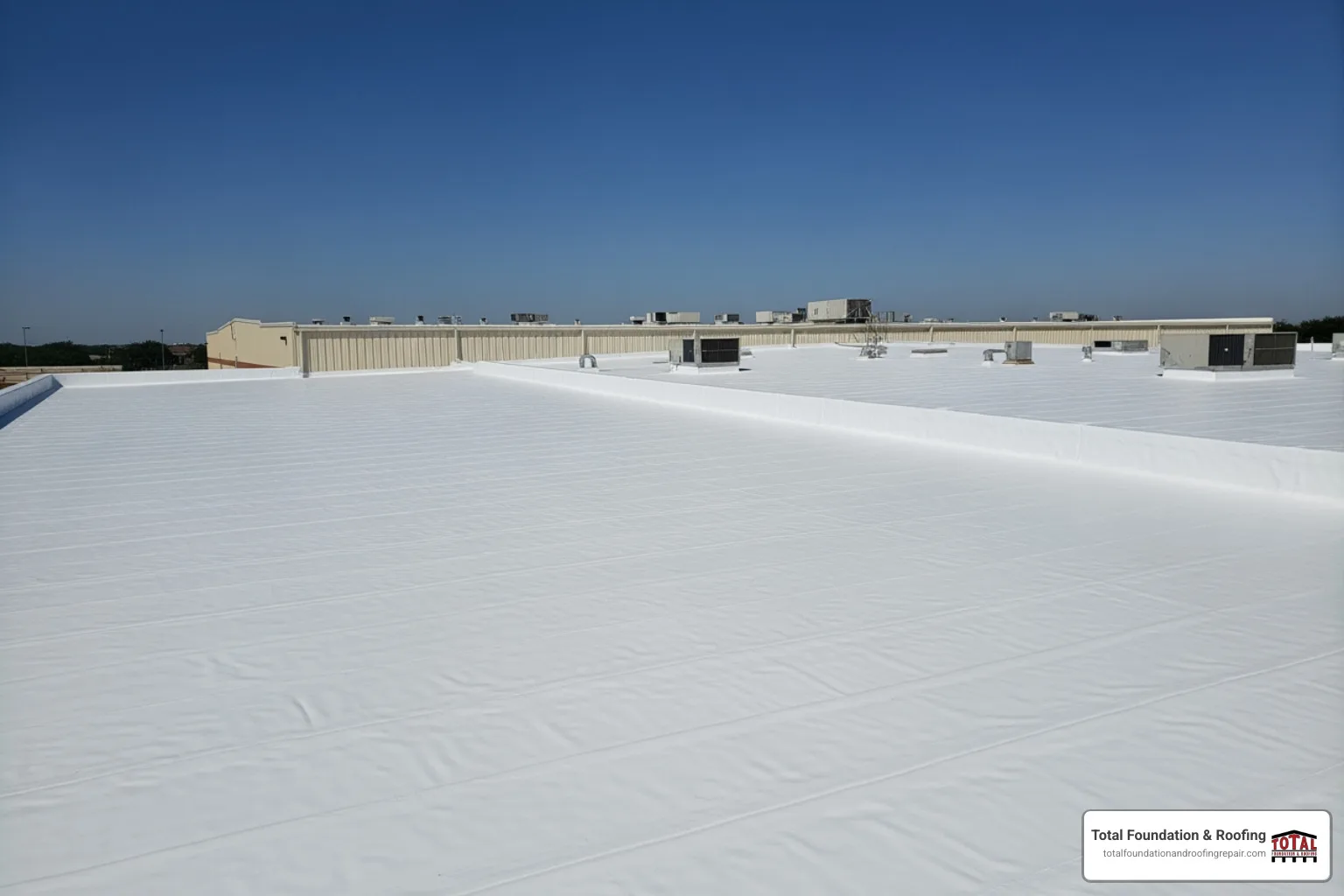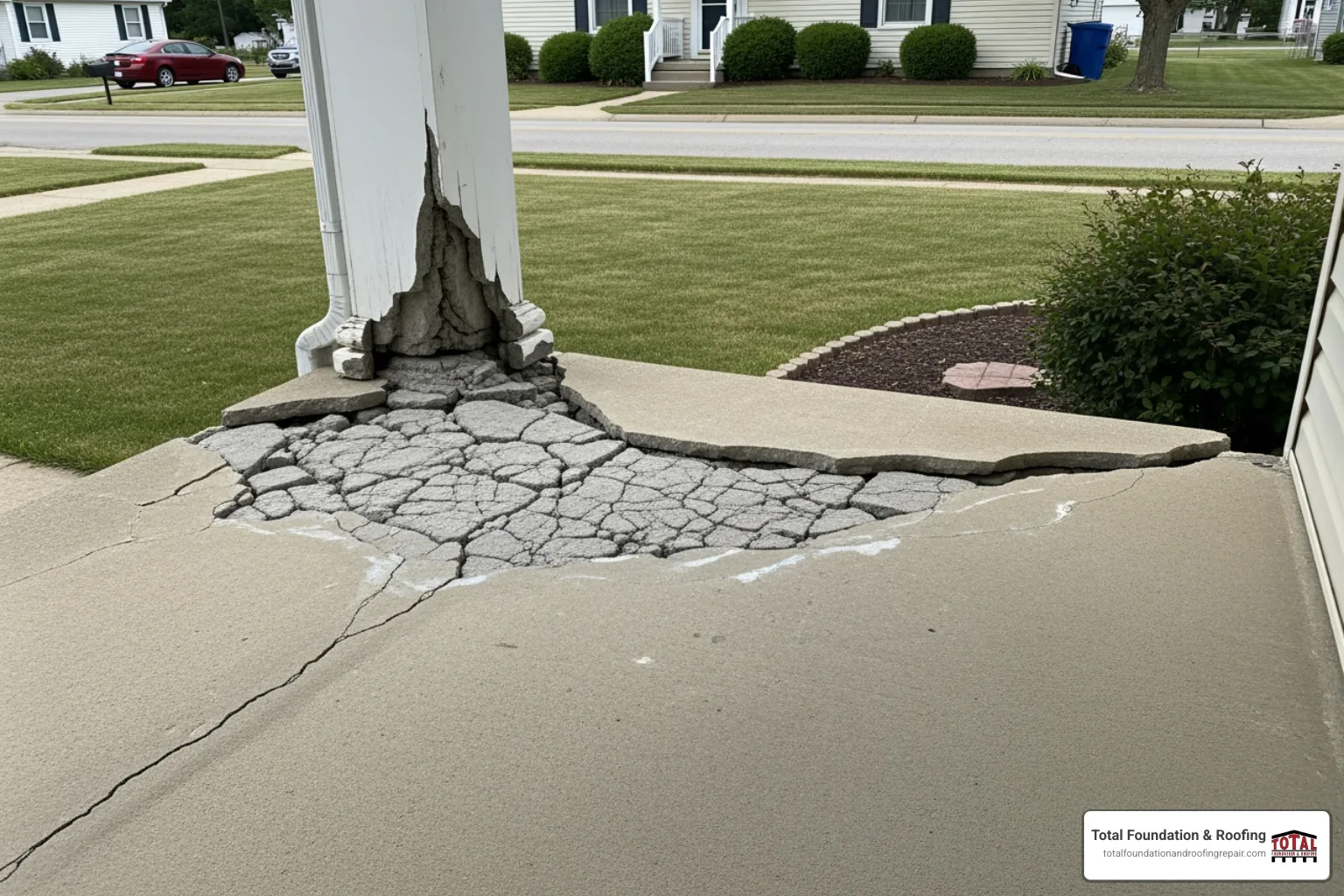

Identifying and Managing an Emergency Storm Roof Repair
An emergency storm roof repair is any immediate action taken to secure a building’s envelope against structural failure or catastrophic water intrusion. When the clouds clear after a Texas Hill Country squall, the adrenaline is high. Your first instinct might be to grab a ladder, but stop. Managing an emergency repair starts with a calm assessment from the ground. Identifying the severity of the damage dictates whether you need a simple patch or a full-scale storm damage restoration service. As the premier Total Foundation & Roofing experts, we provide specialized emergency roofing services to mitigate damage before it escalates. Our team understands that in the wake of a disaster, every minute counts to prevent secondary issues like mold growth or electrical fires.
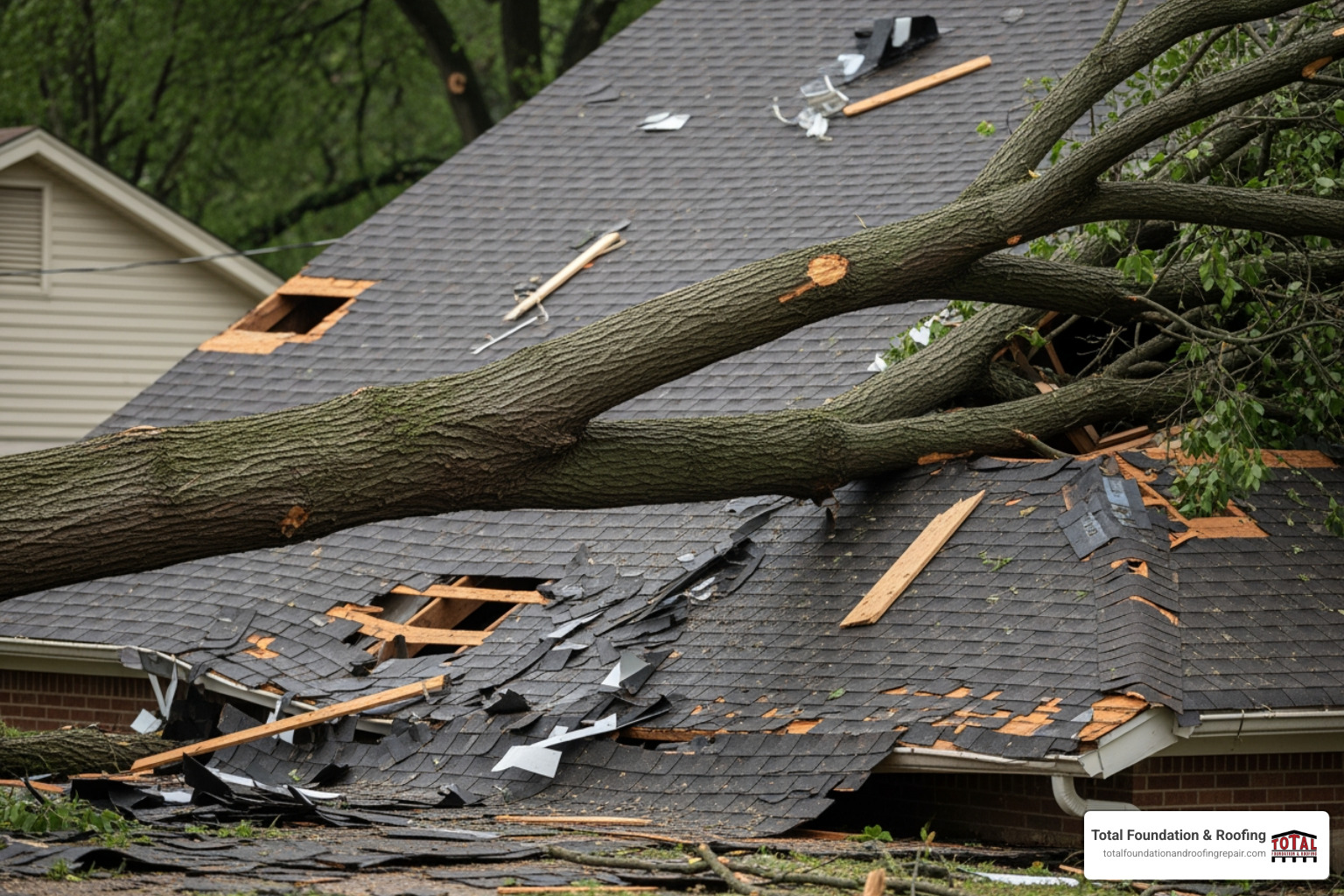
Structural integrity is the primary concern. If a massive oak limb from your yard in Fredericksburg has crashed through the rafters, the home may no longer be safe to occupy. Beyond the visible holes, water intrusion is a silent enemy. Rainwater doesn’t just sit on the ceiling; it travels along beams, soaks insulation, and can compromise your home’s electrical system. In many cases, the weight of saturated insulation can cause an entire ceiling to collapse without warning, making it vital to address leaks immediately. Furthermore, the Texas Hill Country is prone to high-velocity winds that can create an “uplift” effect, peeling back shingles and exposing the delicate wooden decking beneath to the elements.
What Qualifies as a True Emergency Storm Roof Repair?
A true roofing emergency is defined as any event that threatens the safety of the occupants or the structural stability of the building. As local roofing experts, we categorize the following as critical emergencies that require immediate professional intervention:
- Structural Collapse: If the roofline is sagging or rafters are snapped, the building is at risk of further cave-ins. This is often caused by heavy debris or the sheer force of microburst winds.
- Major Water Infiltration: When water is pouring into living spaces, rather than just a slow drip, it can destroy electronics, furniture, and flooring within hours. This level of intrusion often indicates a large puncture or missing decking.
- Fire or Lightning Strikes: Lightning can blow holes in decking and ignite attic insulation. Even if the fire is out, the structural integrity is often gone, and the remaining soot can be toxic.
- Exposed Decking: If high winds have stripped large sections of shingles and underlayment, your wooden roof deck is completely unprotected. Without a barrier, the wood will swell and rot within 24 to 48 hours of exposure.
For homeowners looking for more context on identifying these issues, GAF provides excellent storm damage resources to help you recognize functional damage versus cosmetic wear. Understanding the difference is key when communicating with your insurance provider later.
| Damage Type | Emergency Level | Action Required |
|---|---|---|
| Fallen Tree/Large Limb | High | Evacuate & Call Professional |
| Water near Fuse Box | High | Cut Power & Call Professional |
| 1-2 Missing Shingles | Low | Schedule Repair during Business Hours |
| Major Hail Bruising | Medium | Schedule Professional Inspection |
| Sagging Ceiling | High | Drain Water & Call Professional |
Immediate Steps to Take During a Roofing Crisis
If you find yourself in the middle of a roofing disaster, your priority is containment. Before the pros arrive, there are things you can do to minimize the “collateral damage” inside your home. However, never prioritize property over personal safety.
- Safety First: Never walk on a roof during a storm, in high winds, or when it is wet. In the Texas Hill Country, our limestone-heavy environment and high humidity make surfaces incredibly slick. Additionally, be wary of downed power lines that may be hidden by fallen tree limbs.
- Power Down: If water is leaking near light fixtures or the electrical panel, shut off the main breaker. Water and electricity are a lethal combination, and a wet ceiling can easily conduct current to metal fixtures.
- The “Screwdriver Trick”: If you see a bulge in your ceiling where water is pooling, don’t let it sit. Use a screwdriver to puncture a small hole in the center of the bulge. This allows the water to drain into a bucket in a controlled way, preventing the entire ceiling from collapsing under the weight of the trapped water.
- Protect Valuables: Move furniture and electronics away from the leak. Cover stationary items with heavy plastic painters’ tarps. If you have a two-story home, check the upper floors first, as water will always follow the path of least resistance downward.
If you are dealing with an active leak, check out our guide on emergency roof leak fixes for more immediate interior tips. In cases of widespread regional disasters, federal programs like Operation Blue Roof assistance may be available to provide free temporary covering for primary residences.
Temporary Mitigation and DIY Safety
If the weather has calmed enough for a safe exterior look, you might consider a temporary tarp. However, we must emphasize: do not attempt DIY roof work if you are uncomfortable with heights or if the roof is steep. A fall from a roof can be life-altering, and no amount of property damage is worth the risk.
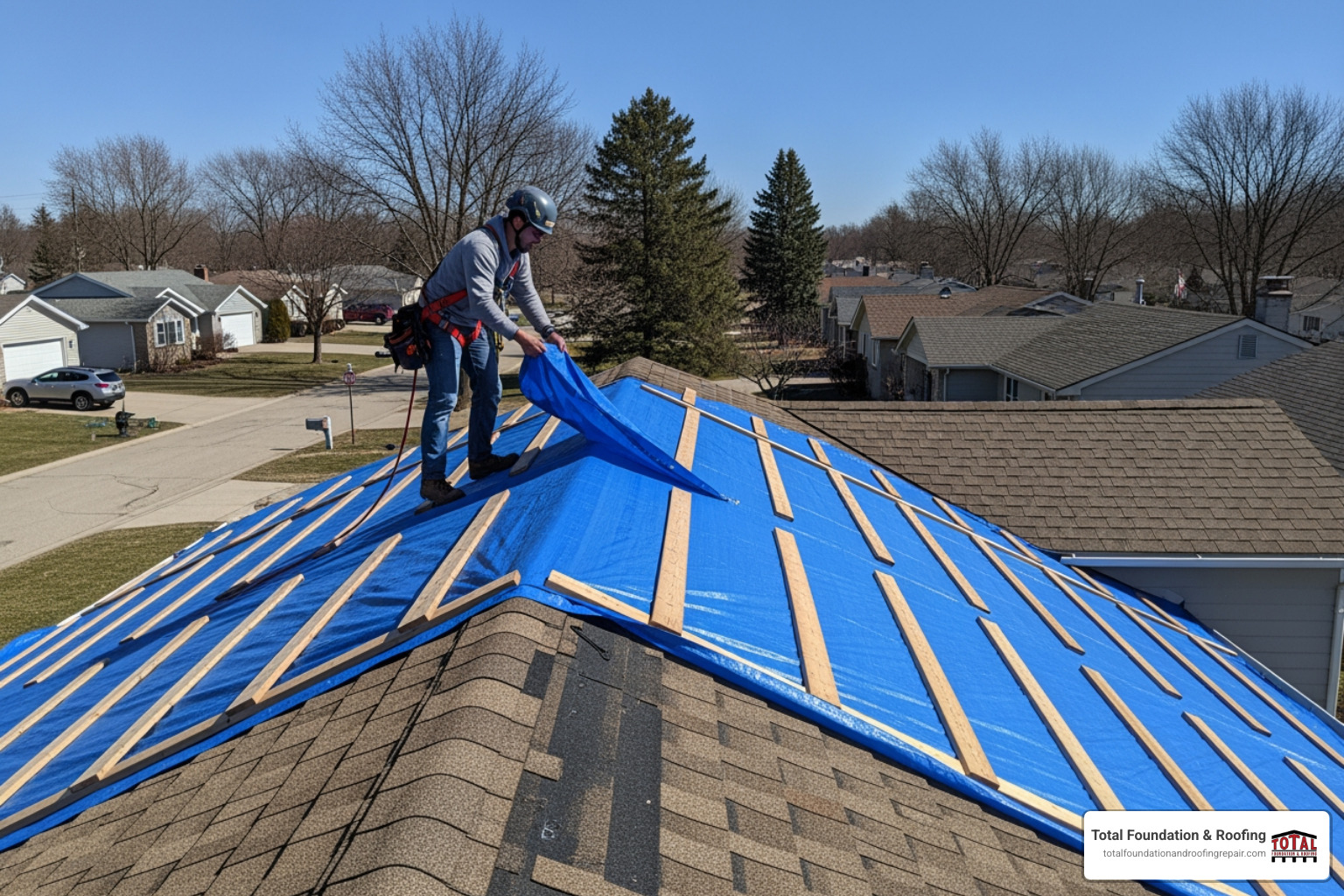
A proper emergency roof tarp isn’t just thrown over the hole with a few bricks. To withstand the next Hill Country wind gust, follow these steps:
- Use Heavy-Duty Tarps: Thin blue tarps from the hardware store tear easily. Look for fiber-reinforced sheeting that is UV-resistant.
- Extend the Coverage: The tarp should go over the ridge (peak) of the roof and extend at least 4 feet past the damaged area on all sides. This prevents water from running under the top edge of the tarp.
- Secure with 2×4 Battens: Instead of nailing through the tarp (which creates new leaks), wrap the edges of the tarp around 2×4 wooden boards and screw the boards into the roof deck. This creates a “sandwich” that prevents the wind from catching the edges and ripping the tarp away.
For a deeper dive into this process, read our emergency roof tarping guide to ensure you don’t accidentally void your insurance by causing more damage during the mitigation phase.
Professional Restoration and Insurance Navigation
The professional emergency storm roof repair process consists of three distinct stages: comprehensive damage appraisal, temporary stabilization, and permanent material restoration. Once the immediate “triage” is handled, the focus shifts to long-term restoration. A temporary tarp is only rated to last about 30 to 90 days. In the intense heat of Comfort, TX, UV rays can degrade a tarp even faster, often requiring materials that meet Owens Corning durability standards to ensure the home remains protected while waiting for insurance approval.

The Professional Emergency Storm Roof Repair Process
When you call Total Foundation & Roofing for an emergency storm roof repair, we follow a structured process to get your life back to normal. We don’t just “slap a patch” on it; we look for the root cause of the failure and ensure the entire system is sound.
- Damage Appraisal: We perform a comprehensive storm damage roof repair inspection. This includes using moisture meters to check the attic for saturated insulation and examining the roof perimeter for compromised flashing. We also look for “bruising” on shingles caused by hail, which can lead to leaks months down the road.
- Temporary Stabilization: If the weather is still poor, our first goal is to make the structure “watertight.” We use professional-grade membranes or shrink-wrap technology that adheres more securely than standard tarps, providing a superior seal against driving rain.
- Permanent Restoration: We replace damaged decking, underlayment, and shingles. We ensure the new materials match your existing roof as closely as possible. If your shingles are discontinued, we work with your insurance to ensure a “reasonable match” is achieved, which sometimes results in a full roof replacement. We often recommend upgrading to impact-resistant shingles if you’re in a high-hail area to prevent future emergencies.
Whether you need storm damage repair in Fredericksburg or a simple leak fix in Kerrville, our roofing services are designed to handle the unique climate of the Hill Country.
Navigating Insurance Claims and Choosing a Local Expert
The insurance process is often more stressful than the storm itself. To get your claim approved, documentation is king. Most policies require the homeowner to take “reasonable steps” to prevent further damage, which is why emergency tarping is so critical.
- Take Photos Early: Before any repairs begin, take wide-angle and close-up photos of the damage. Include photos of shingles in the yard or hailstones next to a ruler to establish the severity of the event.
- The 24-48 Hour Rule: Notify your insurance carrier quickly. Delaying the call can lead to “secondary damage” like mold or wood rot, which some policies may not cover if they feel you didn’t act fast enough to mitigate the leak.
- Meet the Adjuster: When the insurance adjuster arrives, have your roofer there. We speak the same language as adjusters and can point out “functional damage” that an untrained eye might miss, such as micro-cracks in the shingle matting or damaged valley flashing.
- Avoid “Storm Chasers”: After a big storm, out-of-state contractors often flood the area. They take your deposit and vanish, or do sub-par work that isn’t up to Texas building codes. Always choose a local company with a physical office in the Hill Country to ensure you have someone to call if a warranty issue arises.
For more help with this, see our roof insurance claim guide for a checklist of what to say to your agent. Also, be sure to check the FEMA fraud prevention site to stay aware of common post-disaster scams that target vulnerable homeowners.
Preventing Future Storm Damage in the Texas Hill Country
At Total Foundation & Roofing, we believe the best emergency storm roof repair is the one you never have to make. The Hill Country presents specific challenges: extreme heat that makes shingles brittle, followed by sudden, high-wind thunderstorms that can rip through a neighborhood in minutes.
- Regular Inspections: Have a pro look at your roof every two years. We can catch loose flashing, “high nails,” or cracked pipe boots before a storm turns them into major leaks.
- Gutter Maintenance: Clogged gutters cause water to back up under your shingles, leading to fascia rot and ice damming (though rare, it does happen in our winters). Keep them clear, especially during the spring pollen and fall leaf seasons.
- Tree Trimming: Keep branches at least 10 feet away from your roofline. In high winds, these branches act as “saws” against your shingles, scraping away the protective granules and exposing the asphalt.
- Check Your Foundation: Severe storms often involve heavy saturation followed by rapid drying. In our region, this can cause soil shifts. If your roof is leaking or showing new cracks, it’s worth having a foundation-repair-service check for structural shifts that might be stressing your roof joints and causing leaks.
For residents in the Kerrville area, we offer specialized storm protection plans. You can also stay ahead of the weather by reviewing our storm damage repair guide 2025 for the latest in material technology and local building codes.
Conclusion
A storm can leave you feeling powerless, but taking the right steps in the immediate aftermath puts you back in control of your home’s safety. Remember: prioritize your safety above all else, contain the water using the methods described, document every bit of damage for your records, and call in the professionals as soon as possible. Whether it’s a flat roof storm damage issue on a commercial building or a hail-damaged home in the suburbs, quick action saves money, prevents mold, and reduces the long-term headache of a complex insurance claim.
Total Foundation & Roofing is here to serve our neighbors across the Texas Hill Country with integrity and speed. We provide honest assessments, high-quality materials from trusted brands, and the peace of mind that comes from working with a local team that knows our local weather patterns and building requirements. We don’t just fix roofs; we restore the safety and security of your family’s home.
If you’ve just weathered a storm and suspect damage, don’t wait for the next rain to find out if your roof is compromised. Small leaks today become major structural issues tomorrow. Call us today at 830-257-7663 for a professional inspection and expert guidance through the restoration process.
Schedule your emergency storm damage repair with Total Foundation & Roofing here.