
Why Fitting Steel Roofing Sheets the Right Way Matters
Fitting steel roofing sheets correctly is the difference between a roof that lasts 40–70 years and one that leaks after the first Texas storm. At Total Foundation & Roofing, we understand that your home is your most significant investment, and the roof is its first line of defense. Whether you are dealing with the intense heat of a July afternoon or the sudden hail of a spring thunderstorm in the Hill Country, the integrity of your roof deck and the precision of your installation are paramount. A poorly fitted sheet can lead to moisture infiltration, structural rot, and costly repairs that far outweigh the initial savings of a rushed job.
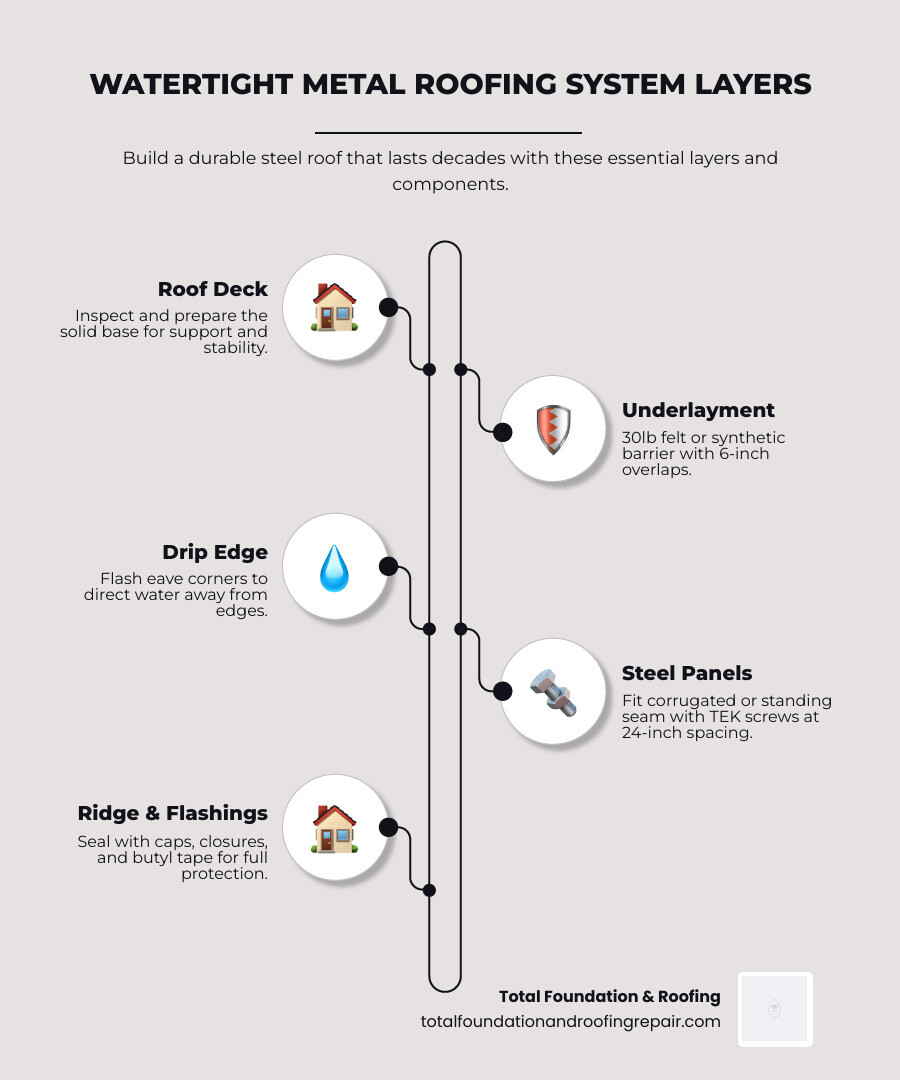
Here’s a quick overview of the core steps involved in a professional-grade installation:
- Prepare the roof deck — inspect, repair, and clean the surface to ensure a flat, stable base.
- Install underlayment — use a minimum 30lb felt or high-performance synthetic with 6-inch overlaps.
- Fit drip edge flashing — starting at the eave corners to direct water away from the fascia.
- Lay panels from eave to ridge — always starting opposite the prevailing wind to protect seams.
- Fasten with TEK screws and EPDM washers — spaced no more than 24 inches apart for maximum wind resistance.
- Seal overlaps and penetrations — using butyl tape and neutral-cure silicone for a watertight finish.
- Install ridge caps and flashings — with foam closure strips to keep out vermin, debris, and wind-driven rain.
Metal roofing reflects the sun’s rays, significantly cutting cooling costs during the brutal Texas summers. A properly installed steel roof can outlast two or three asphalt roofs without major maintenance. For Texas Hill Country homeowners, that durability matters even more given the region’s unique climate challenges. I’m Daniel Sowell, owner of Total Foundation & Roofing Repair with over 18 years of hands-on experience in fitting steel roofing sheets across Texas Hill Country properties. I’ll share the same practical process my crew uses on every metal roofing job — so you can approach your project with confidence.
Quick fitting steel roofing sheets definitions:
Essential Preparation for Fitting Steel Roofing Sheets
Before you ever lift a panel onto your roof, preparation is your best friend. In the roofing world, we have a saying: “A roof is only as good as the deck beneath it.” For a successful installation, your roof should have a minimum slope (pitch) of 3 inches per foot (3:12). This ensures that rainwater actually moves toward your gutters instead of pooling and causing premature corrosion. According to industry standards from GAF, proper ventilation and deck preparation are the foundations of any long-lasting roofing system, and metal is no exception.
The Tool Kit
You don’t need a factory full of machines, but you do need specialized tools to handle steel. Essential items include:
- Tin Snips or Aviation Snips: For small, detailed cuts around vents and pipes.
- Circular Saw with a Metal-Cutting Blade: Essential for long, straight cuts. Avoid angle grinders, as the sparks can damage the protective coating and lead to rust.
- Impact Driver or Drill: For driving those self-tapping screws with precision.
- Chalk Line: To keep your panels perfectly square across the entire length of the roof.
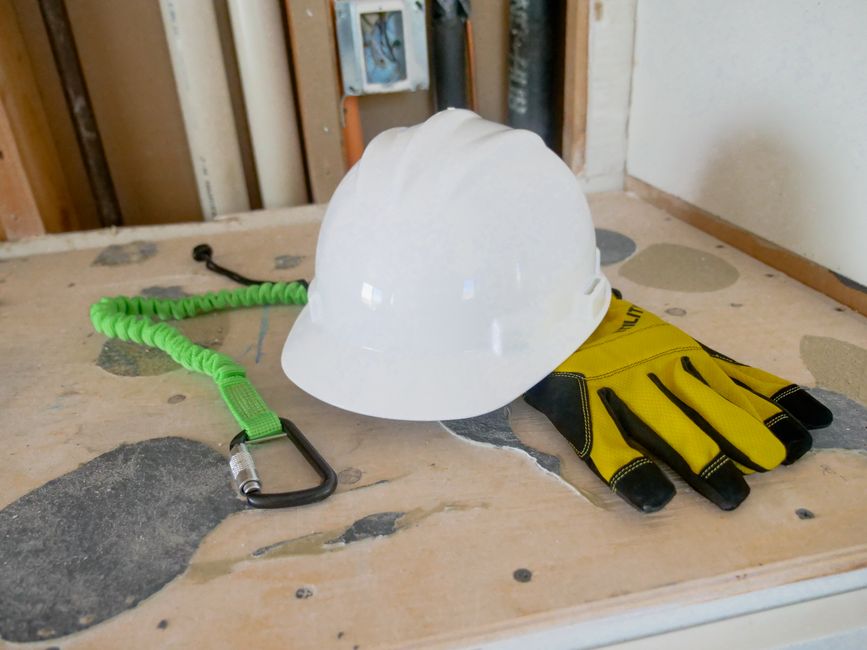
- Safety Harness: Never work on a roof without proper fall protection.
Material Comparison
Choosing the right metal is the first big decision. While we are focusing on fitting steel roofing sheets, it’s helpful to see how they stack up against other options.
| Material | Lifespan | Best Use Case | Hill Country Performance |
|---|---|---|---|
| Galvanized Steel | 40-60 Years | Residential/Commercial | Excellent durability and cost-effective |
| Aluminum | 50+ Years | Coastal regions | Great corrosion resistance; softer than steel |
| Copper | 100+ Years | High-end architectural | Beautiful patina; very expensive |
For most homeowners in Kerrville TX, steel provides the best balance of strength and affordability. You can find more technical details in this Installation Guide.
Selecting Materials for Fitting Steel Roofing Sheets
When ordering your materials, accuracy is everything. We recommend measuring your roof twice and then adding a 10% waste factor to your order. This covers mistakes, overlapping, and the inevitable “oops” moment. Most modern steel sheets come with a Galvalume coating, which is an alloy of zinc and aluminum that offers superior protection against the elements. You also need to choose your profile. Corrugated sheets (the classic wavy look) are often easier for DIY projects, while Metal Roof Cost Per Square Foot Installed can vary significantly if you opt for premium standing seam panels. For a deeper dive into corrugated specifics, check out this step-by-step guide.
Safety and Surface Preparation
Roofing is inherently dangerous work. Always use a safety harness, non-slip boots, and a hard hat. If you are removing old asphalt shingles, ensure you strip the roof down to the wooden decking. Inspect the plywood for rot or soft spots; if you find any, they must be replaced before fitting steel roofing sheets. Once the deck is clean and dry, you are ready for the underlayment. For more on the initial teardown, see our Metal Roof Installation Complete Guide.
Step-by-Step Process for Fitting Steel Roofing Sheets
Now for the main event. Installing the panels requires patience and a keen eye for alignment. If your first panel is crooked by even half an inch, that error will grow until your last panel is inches out of place. This is why we emphasize the “measure twice, cut once” philosophy on every job site.

Installing Underlayment and Drip Edges
The underlayment is your secondary line of defense. We recommend using either 30lb asphalt-saturated felt or a high-quality synthetic underlayment, similar to the high-performance barriers recommended by Owens Corning.
- Lay it flat: Start at the bottom (eave) and work your way up toward the ridge.
- Overlap: Ensure each row overlaps the one below it by at least 6 inches to shed water effectively.
- Drip Edges: Install your drip edge flashing along the eaves first, then the gables. Overlap joints by 3 inches and secure them every 12 to 16 inches.
Proper layering ensures that even if water gets under the metal, it won’t reach your home’s interior. You can find more pro tips in The Pro Guide to Installing Metal Roofs Like a Boss.
Laying and Fastening the Panels
When fitting steel roofing sheets, always start at the corner of the roof opposite the prevailing wind. This ensures that the overlaps face away from the wind, preventing rain from being blown under the seams during heavy storms.
- Alignment: Align the edge of your first panel with a chalk line. Allow for a 1-inch overhang at the eave to ensure water drops directly into the gutters.
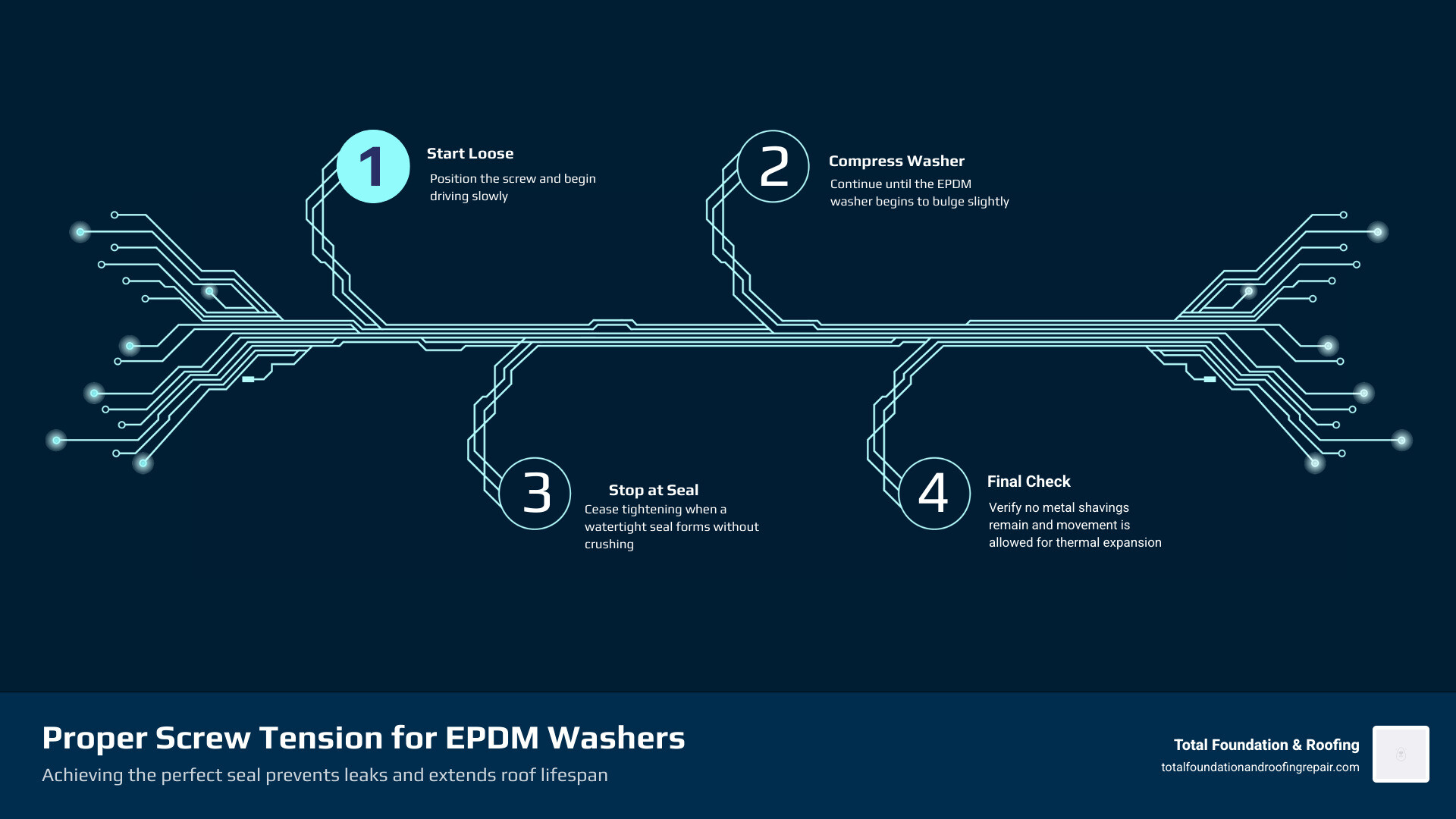
- Fastening: Use self-drilling TEK screws with EPDM sealing washers. These washers are the “secret sauce”—they compress to create a watertight seal around the screw hole.
- Spacing: Drive screws every 24 inches on center. For corrugated sheets, we typically fix through the “crest” (the high point) for roofing to minimize the chance of water sitting around the fastener, though some box profiles prefer the “trough.”
- Tension: Don’t over-tighten! You want the washer to bulge slightly, not be crushed flat or inverted, which can cause the seal to fail over time.
For more technical diagrams on fixing patterns, visit Rhino Steel Cladding.
Finishing with Ridge Caps and Flashings
The ridge cap is the crown of your roof. Before installing it, place outside closure strips (foam inserts that match the profile of your sheets) along the ridge. This keeps out rain, birds, and Texas-sized bugs. Apply butyl sealant tape to the underside of the ridge cap and secure it with 2-inch screws through the ribs of the panels. If you have a chimney or vent, you’ll need specialized flashing kits to ensure a watertight transition. If you ever run into trouble with leaks later on, our Ultimate Metal Roof Leak Repair Manual is a great resource.
Common Challenges and How to Handle Them
Fitting steel roofing sheets isn’t always a straight shot. You’ll likely run into these common hurdles that can compromise the longevity of your roof if not handled correctly:
- Cutting Panels: Always cut on the ground to avoid damaging the underlayment. Use a nibbler or shears for the cleanest edge. If you use a saw, make sure to brush away all metal shavings (swarf) immediately. If left on the roof, these tiny bits of steel will rust and stain your new panels within days.
- Thermal Expansion: Steel expands and contracts with the Texas heat. Avoid pinning panels too tightly at both ends; allow for a small amount of movement. This is why professional installers often use specific fastening patterns to accommodate the natural “breathing” of the metal as temperatures fluctuate from 40 to 105 degrees.
- Walking on the Roof: If you must walk on the panels, wear soft-soled shoes and step only where the purlins or roof supports are located (usually over the screw lines). Stepping in the center of a span can dent the metal and create low spots where water can pool.
- Handling Scratches: Even the most careful installation can result in minor scratches. Use manufacturer-approved touch-up paint immediately to prevent the exposed steel from oxidizing.
When to Hire Professional Metal Roofers
While a simple shed or garage is a great DIY project, fitting steel roofing sheets on a complex residential home in Fredericksburg TX or the surrounding areas is a different beast. If your roof has multiple valleys, dormers, or a very steep pitch, the risk of leaks—or falls—increases significantly. Professional installation ensures that every transition is flashed correctly and every fastener is driven to the perfect depth.
At Total Foundation & Roofing, we specialize in the unique conditions of the Texas Hill Country. We know how to handle the high wind loads and intense UV exposure that can degrade a poorly installed roof. Our team provides certified, high-quality workmanship that ensures your investment is protected for decades. We use only the highest grade materials and follow rigorous safety protocols to protect both our crew and your property.
If you are feeling overwhelmed or just want the peace of mind that comes with a professional warranty, we are here to help. You can explore our Roofing Services Metal Roofing page for more information on how we handle these projects. Don’t leave your home’s safety to chance. Whether you need a full replacement or a specialized repair, our Professional Metal Roofers are ready to serve you.
Ready to upgrade your home with a roof that lasts a lifetime? Contact Total Foundation & Roofing today for a reliable estimate tailored to your property. Visit our Contact Page to schedule your consultation. We serve Kerrville, Fredericksburg, Comfort, and the surrounding areas with the prompt, high-quality service you deserve.